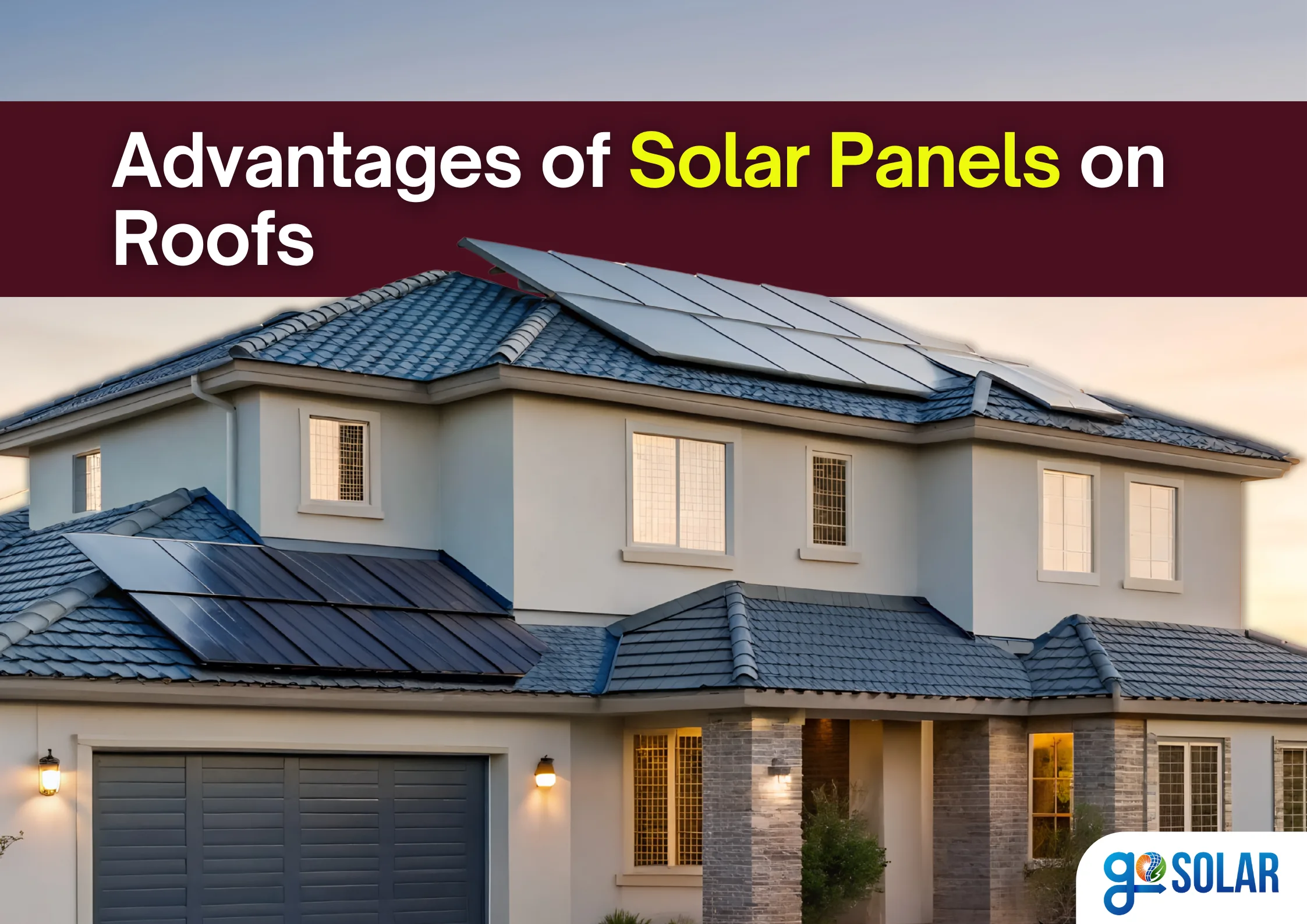

Solar Rooftop Scheme 2025 packages finance support, streamlined approvals, and updated rules to accelerate rooftop solar installations across India.
This guide explains what the scheme covers, who can apply, and how to get started. It outlines subsidy options, a simple step-by-step application flow, tips for choosing installers, grid-connection steps, warranty basics, and straightforward O&M advice for homeowners and small institutions.
What the Solar Rooftop Scheme means in 2025?
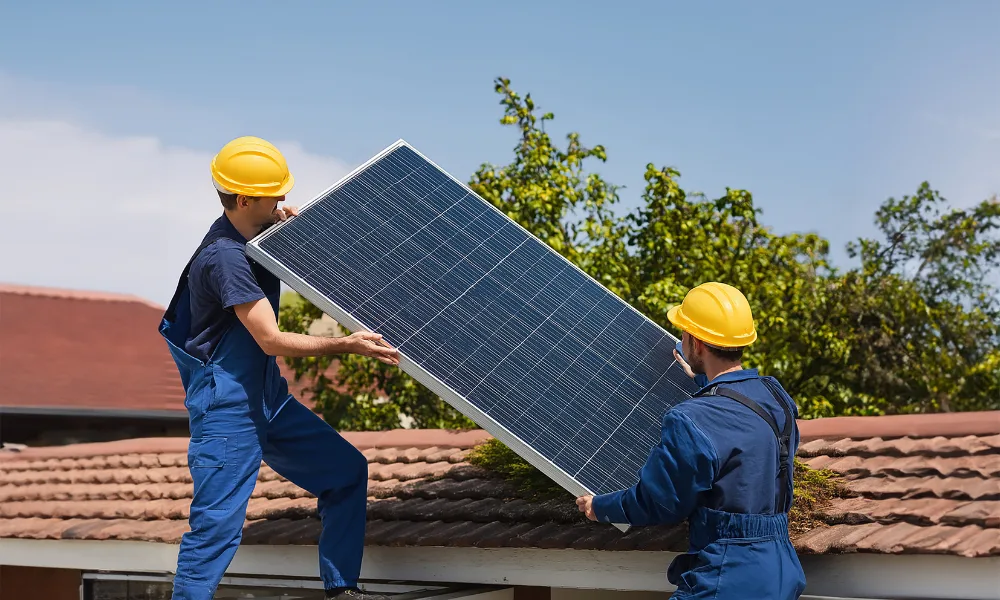
The Solar Rooftop Scheme 2025 describes the national push to scale rooftop photovoltaic systems for homes and smaller institutions.
The program combines central assistance, simplified online processes, and clearer interconnection rules to make rooftop solar simpler and more affordable for ordinary users.
Why the 2025 initiative matters?
The 2025 initiative reduces barriers that slowed rooftop adoption earlier. It makes subsidy processing faster, standardizes documentation, and encourages integration of batteries and smart inverters.
For many households, the new measures shorten project timelines and expand access to low-cost clean energy.
Main benefits under the scheme:
Key advantages of the Solar Rooftop Scheme include:
- Direct financial support or subsidy for eligible residential systems.
- Simplified online application and tracking so approvals move faster.
- Clear rules for feeding surplus power back to the grid through net metering or net billing.
- Support for pairing rooftop systems with battery storage and modern inverters where appropriate.
Who is eligible?
Eligibility generally covers resident homeowners with a valid electricity connection and necessary identity documents.
Subsidy levels and capacity limits vary by category; small rooftop systems aimed at ordinary households receive the most direct support. Exact eligibility details and subsidy amounts are set in the scheme guidelines issued by the authorities.
Step-by-step: how to apply
- Step 1: Check roof suitability and capacity — assess available area, orientation, and shading to estimate feasible system size.
- Step 2: Register online — use the official rooftop portal to enter your electricity consumer number and upload documents.
- Step 3: Select an installer — after registration, choose an empanelled installer who will provide a quote and technical design.
- Step 4: Complete installation — the installer sets up panels, inverters, wiring and any requested monitoring equipment.
- Step 5: Interconnection and commissioning — the local utility inspects and completes the net-metering or net-billing connection.
- Step 6: Subsidy processing — once the system is commissioned and verified, the agreed financial assistance is released as per the scheme rules.
Financing and purchase options:
Besides central subsidies, you can finance a rooftop system through home loans, green loans, or developer offers.
Some households opt for developer-managed models where the developer installs and owns the system while the homeowner buys power through a long-term contract. Compare purchase versus pay-per-use offers to find the best cost over the system lifetime.
Operation and upkeep basics:
- Choose panels and inverters with solid warranties and long-term performance guarantees.
- Arrange for basic cleaning and visual inspections to remove dust and debris.
- Use remote monitoring where available to track output and spot faults quickly.
- Keep documentation of warranties and O&M agreements for future service needs.
Common pitfalls to avoid:
- Don’t skip a roof structural check older roofs may need reinforcement.
- Avoid installers without verified references; always ask for past project details.
- Inaccurate consumer numbers or documents slow approvals; double-check submissions.
- Neglecting shading analysis reduces expected generation run a proper site study.
Where to get official help:
Check the national rooftop portal and your local electricity provider’s website for the official application links, updated subsidy rates, and lists of empanelled installers. Local utility offices can clarify net-metering rules and scheduling for inspections.
Quick checklist for homeowners:
- Run a roof area and shading check.
- Gather ID, address proof, and electricity consumer number.
- Get at least three quotes from empanelled installers.
- Review warranties, O&M packages, and expected annual yield.
- Choose a financing approach (purchase, loan, or developer PPA).
Next steps:
Run a quick rooftop feasibility estimate, gather quotes, and register on the official portal to start your application. A short feasibility study and comparison of offers will help you lock a reliable, long-term solar solution for your home.
Frequently Asked Questions (FAQs)
Ques 1. What is the Solar Rooftop Scheme 2025?
Ans. A national program to simplify and accelerate rooftop solar adoption, offering financial support, streamlined online processing, and clearer grid interconnection rules.
Ques 2. Who can apply under the Solar Rooftop Scheme?
Ans. Homeowners with a valid electricity connection, identity proof, and a suitable roof are typically eligible; exact criteria vary by category and local rules.
Ques 3. How do I check if my roof is suitable for solar?
Ans. Assess roof area, orientation (south-facing is best), tilt, shading, and structural strength; many portals offer a rooftop calculator or an installer can do a site survey.
Ques 4. What documents do I need to apply?
Ans. Typical requirements include electricity consumer number, ID proof, address proof, and proof of residence; some portals request recent electricity bills.
Ques 5. How do I register for the scheme?
Ans. Register via the official rooftop portal by entering your consumer number, uploading documents, and following the guided application steps.
Ques 6. What kinds of support does the scheme provide?
Ans. Support usually includes central financial assistance (subsidy), simplified approvals, and facilitation of net-metering or net-billing connections.