
Have you ever noticed how your electricity bills have become more accurate and transparent lately? That’s because Smart Energy Meters are replacing traditional electricity meters across India, transforming how homes, businesses, and utilities monitor power.
These digital devices are helping India take a major step toward a smarter and greener energy future.
What is a Smart Energy Meter?
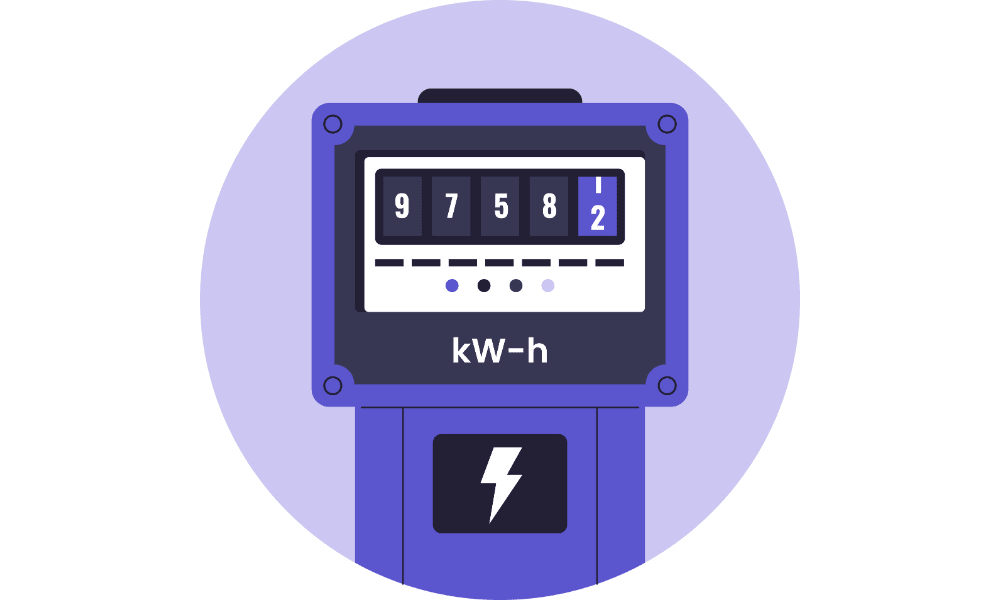
A Smart Energy Meter is a digital device that records electricity consumption in real time and automatically shares this data with your electricity provider. Unlike analog meters that required manual reading, smart meters enable two-way communication between consumers and utility companies.
They measure your power usage at regular intervals and send the information securely over wireless networks. This means you can see exactly how much energy you’re using and when, helping you make more intelligent choices to reduce consumption and save on bills.
In simple terms, a smart energy meter provides both you and your utility company with real-time visibility into your energy usage habits.
How Do Smart Meters Work?
Smart meters are powered by Advanced Metering Infrastructure (AMI) technology.
Here’s how it works in practice:
- The meter measures your electricity consumption using digital sensors.
- It transmits this data to your utility provider through a secure wireless or IoT-based network.
- The provider analyses the data to calculate accurate bills and identify usage trends.
- You can view your consumption data on a web portal or mobile app at any time, from anywhere.
This system not only eliminates manual meter reading but also enables faster fault detection, load management, and real-time alerts in case of abnormal consumption.
Smart meters are often part of a larger smart grid, which enables utilities to balance supply and demand efficiently, thereby reducing power outages and improving overall grid reliability.
Advantages of Smart Meters:
Smart Energy Meters offer benefits for both consumers and electricity distributors.
For Consumers:
- Accurate billing: No more errors or estimation-based bills.
- Energy awareness: Track your usage patterns in real time and adjust accordingly.
- Lower electricity costs: By monitoring peak hours, you can reduce consumption during higher rates.
- No manual reading: Everything is automated and digital.
For Utilities:
- Remote monitoring and billing.
- Improved power distribution efficiency.
- Reduced electricity theft and losses.
- Data-driven energy management for better grid stability.
Ultimately, smart meters promote energy efficiency, transparency, and accountability, making India’s power sector more sustainable.
Smart Meter Technology in India:
India is rapidly adopting smart meter technology under the Smart Meter National Programme (SMNP) led by EESL (Energy Efficiency Services Limited). The initiative aims to install 250 million smart meters nationwide by 2026.
Smart meters are key to India’s Digital Energy Infrastructure, integrating renewable energy, solar rooftops, and AI-based energy analytics into one efficient ecosystem.
They also play a vital role in the PM Surya Ghar Muft Bijli Yojana and similar programs, helping households monitor solar energy generation and consumption seamlessly.
How Do I Get a Smart Meter?
If your area’s DISCOM has started smart meter installations, getting one is quite simple:
- Check availability: Visit your local DISCOM’s website to see if smart meters are being deployed in your area.
- Apply online or in person: Most utilities allow consumers to register through their online portals or customer care centers.
- Installation: A certified technician will install and activate the smart meter at your premises.
- Monitor your usage: Once active, you can track your energy use and billing details in real time through your DISCOM’s app.
Installing a Smart Energy Meter is a one-time upgrade that offers long-term savings and convenience. It also prepares your home for the future of energy, where every unit of power is measured, managed, and optimized intelligently.
Why Smart Energy Meters Are the Future?
As India transitions toward renewable energy and sustainability, Smart Energy Meters are becoming the foundation of that transformation. They ensure transparency, efficiency, and reliability for both consumers and utilities.
In the coming years, these digital meters will integrate with AI-powered grids, smart homes, and IoT-based monitoring, enabling truly intelligent energy management.
Smart Energy Meters aren’t just about recording usage, they’re about empowering consumers and powering India’s future.
Frequently Asked Questions (FAQs)
Ques 1. What is a Smart Energy Meter?
Ans. A Smart Energy Meter is a digital device that automatically records electricity usage in real time and sends the data to the utility company, ensuring accurate and transparent billing.
Ques 2. How does a Smart Energy Meter work?
Ans. It uses sensors and wireless networks to measure and transmit your energy consumption to your provider, eliminating manual meter readings.
Ques 3. How is a Smart Meter different from a normal meter?
Ans. Traditional meters record usage manually, while Smart Meters digitally track and send consumption data automatically to the utility provider.
Ques 4. Are Smart Meters mandatory in India?
Ans. Yes, under the Smart Meter National Programme, all conventional meters will gradually be replaced with Smart Meters to modernize power distribution.
Ques 5. Who installs Smart Meters in India?
Ans. Smart Meters are installed by local electricity distribution companies (DISCOMs) such as BSES, Tata Power, and Adani Electricity.
Ques 6. How can I apply for a Smart Meter?
Ans. You can apply online or contact your local DISCOM office to request installation of a Smart Meter at your home or business.
Ques 7. How do Smart Meters help reduce electricity bills?
Ans. By tracking consumption in real time, Smart Meters allow users to identify peak usage hours and reduce unnecessary power wastage.
Ques 8. Do Smart Meters require the internet to work?
Ans. No, Smart Meters use secure wireless communication systems (RF, GSM, or IoT), they don’t depend on Wi-Fi or internet access.