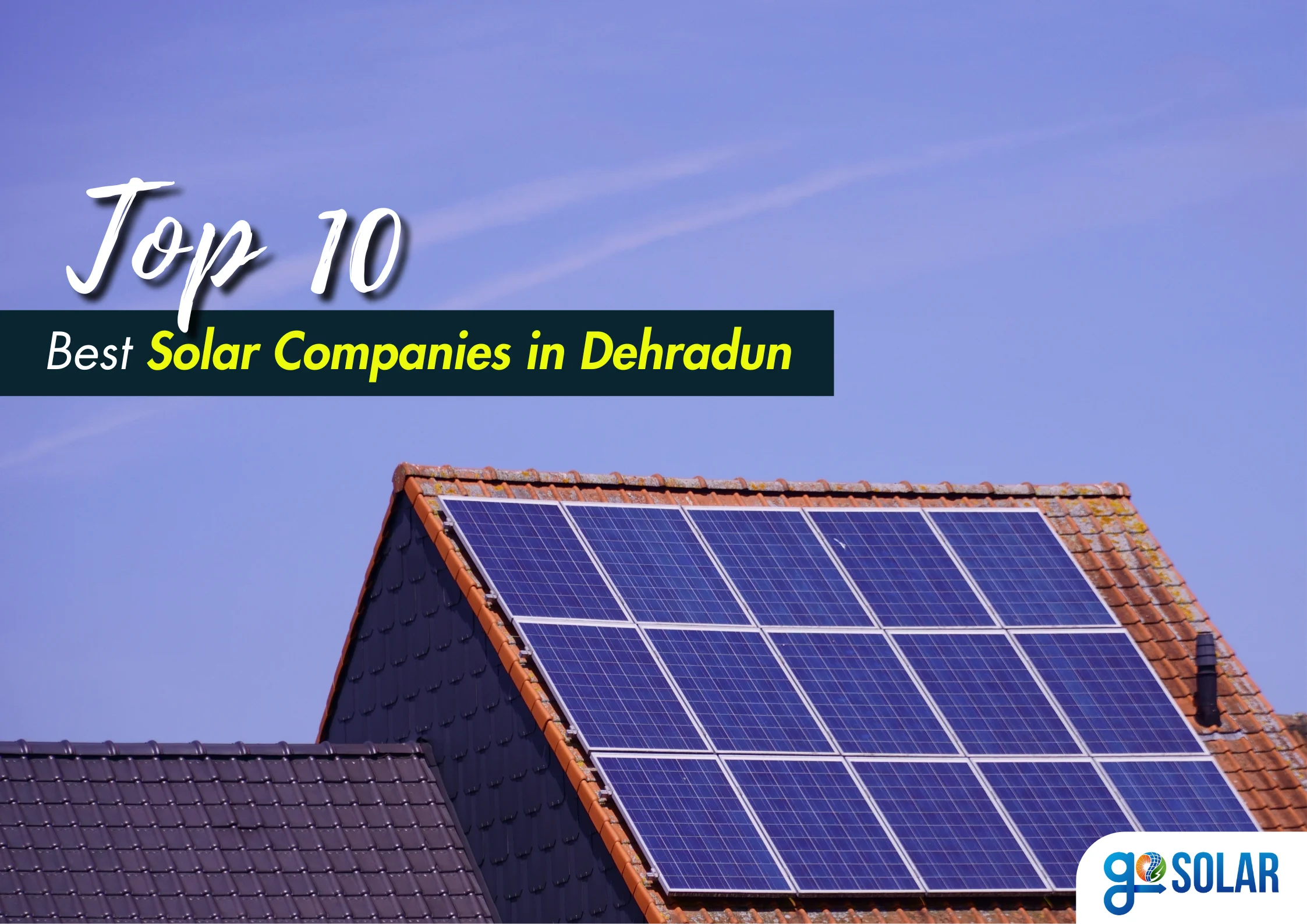

In today’s world, where rising energy demands and climate concerns dominate discussions, one question often arises: What is solar energy, and why does it matter so much? Solar power is one of the cleanest, most abundant, and most sustainable energy sources available.
Unlike fossil fuels, which pollute and deplete natural resources, solar power harnesses sunlight—something freely available every day. As more households, businesses, and industries shift toward renewable energy, solar power stands out as a reliable solution for a greener future.
Solar Energy Definition: A Simple Explanation

Solar energy is the power harnessed from the sun’s rays, converted into heat or electricity using different technologies. The most common way we use it today is through solar panels (photovoltaic cells), which capture sunlight and turn it into usable electricity.
This makes solar power not only renewable but also highly adaptable for residential, commercial, and industrial use.
The Basics of Solar Power:
To better understand, let’s look at the basics of solar power:
Sunlight as the Source – The sun emits light and heat energy every second, and solar technology captures it.
Conversion to Energy – Photovoltaic (PV) cells in solar panels convert sunlight directly into electricity.
Storage and Usage – The generated electricity can either be used instantly or stored in solar batteries for later use.
Grid Connection – On-grid systems allow excess energy to be sent back to the grid, while off-grid systems rely on batteries.
Types of Solar Power Systems:
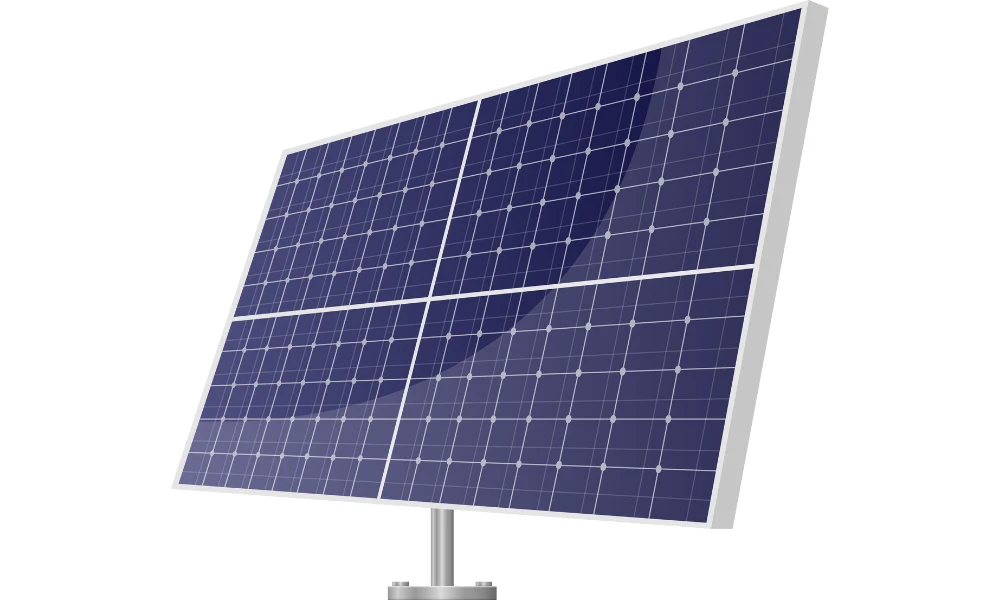
Solar power can be harnessed in different ways, depending on the need:
- Photovoltaic (PV) Systems – Convert sunlight into electricity (used in homes, offices, industries).
- Solar Thermal Systems – Use sunlight to heat water or air, commonly seen in solar water heaters.
- Concentrated Solar Power (CSP) – Uses mirrors/lenses to concentrate sunlight for large-scale power plants.
Each type has its advantages, but solar PV systems remain the most popular for everyday usage.
Benefits of Solar Energy:
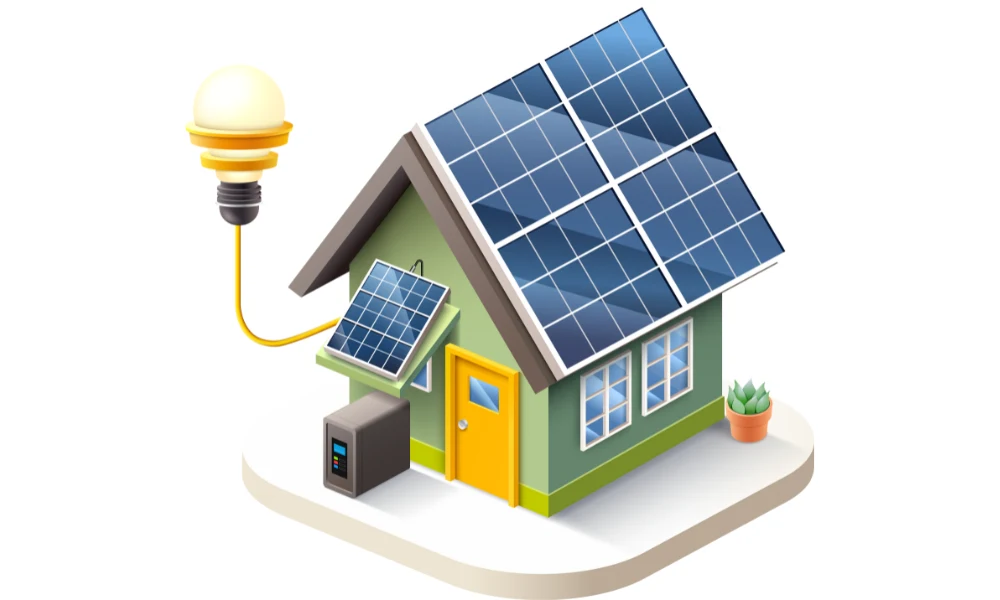
There are many benefits of solar energy:
- Eco-Friendly – Zero greenhouse gas emissions while generating electricity.
- Cost Savings – Lower electricity bills and long-term savings.
- Energy Independence – Reduced reliance on fossil fuels.
- Scalability – Works for small homes to large industrial plants.
- Government Support – Subsidies and schemes (like the PM Surya Ghar Scheme in India) make solar affordable.
Challenges of Solar Energy:
While it is promising, it’s not without challenges:
- High Initial Cost – Though decreasing, installation costs can be high.
- Weather Dependency – Cloudy or rainy days reduce efficiency.
- Space Requirement – Large installations need open roof or land areas.
- Storage Limitations – Batteries can be expensive, though improving with time.
Solar in India: A Growing Revolution
India is one of the fastest-growing markets for solar power. With abundant sunlight and government support, solar adoption is spreading rapidly across residential rooftops, commercial spaces, and industrial plants. Initiatives like the PM Surya Ghar Scheme provide subsidies, making it easier for families to invest in clean energy.
The Future of Solar Energy
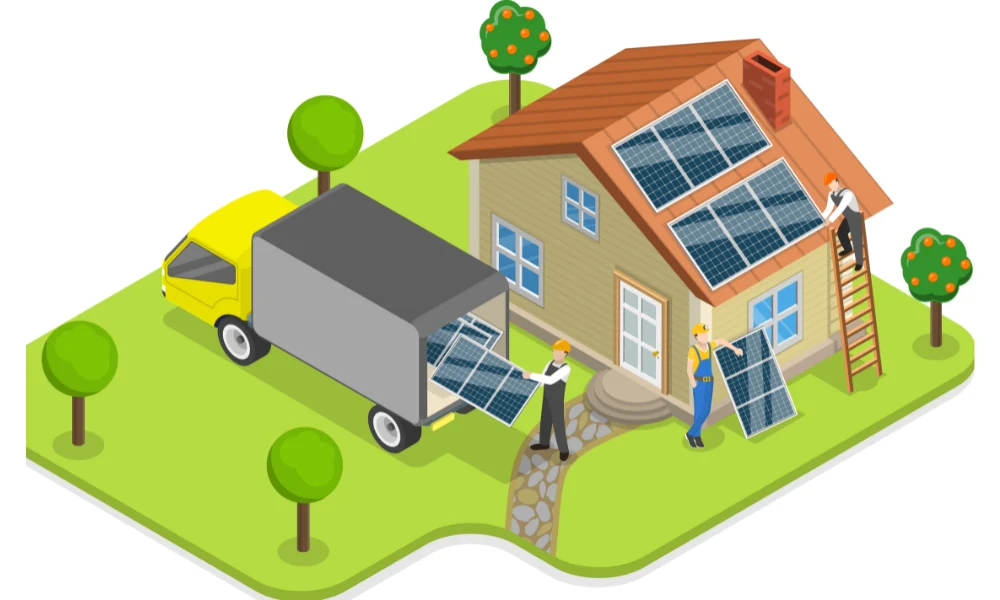
The future of solar power looks bright. Advancements in solar panel efficiency, hybrid systems, and storage technology are making solar power more reliable than ever. Countries worldwide are committing to renewable energy goals, and solar is expected to lead this revolution.
By 2030, experts predict that solar will be one of the primary energy sources powering cities, homes, and industries globally.
Why Energy from Solar is the Way Forward?
To summarize, solar power is more than just a renewable power source, it is the foundation of a sustainable future.
With its ability to cut costs, reduce pollution, and promote independence from fossil fuels, it is transforming how we power our world. For anyone considering a greener lifestyle, understanding what solar power is and adopting it can be the first step toward change.
Frequently Asked Questions (FAQs)
Ques 1. What is solar energy in simple words?
Ans. Solar energy is power from the sun converted into usable electricity or heat.
Ques 2. Can solar energy work at night?
Ans. Not directly, but batteries store energy for nighttime use.
Ques 3. Why is solar energy important?
Ans. It’s renewable, eco-friendly, and reduces electricity bills.
Ques 4. What are the basics of solar power?
Ans. It involves capturing sunlight with solar panels and converting it into electricity.
Ques 5. How do solar panels work?
Ans. They use photovoltaic cells to convert sunlight into direct current, later changed to AC.
Ques 6. Does solar energy save money?
Ans. Yes, it lowers long-term electricity costs.