As the world moves toward sustainable energy solutions, the advantages of solar panels are becoming impossible to ignore. From reducing electricity bills to protecting the environment, solar energy has transformed the way homes, businesses, and even entire cities power their lives.
Whether you’re a homeowner seeking lower costs or a business looking for greener alternatives, understanding the advantages of solar panels can help you make an informed decision that benefits both your wallet and the planet.
What Are Solar Panels and How Do They Work ?
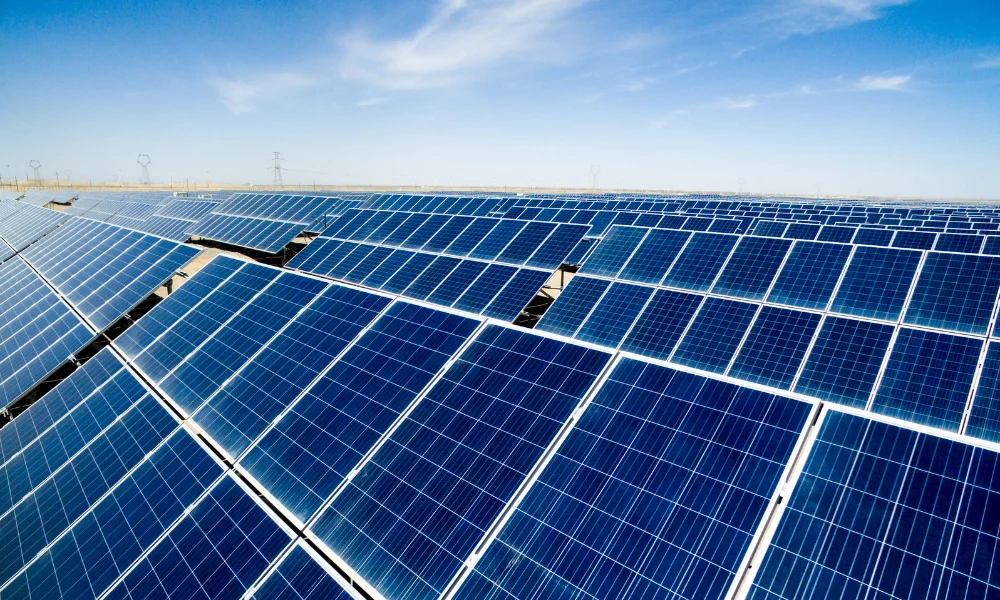
Solar panels are devices that capture sunlight and convert it into usable electricity through photovoltaic (PV) cells. These cells are made of semiconductor materials, typically silicon, which release electrons when exposed to sunlight. The movement of these electrons generates an electric current, supplying clean and renewable energy to your home or business.
There are different types of solar panels—monocrystalline, polycrystalline, and thin-film—each offering unique benefits. Regardless of the type, the primary purpose remains the same: producing electricity without relying on fossil fuels.
Key Advantages of Solar Panels:
1. Cost Savings on Electricity Bills
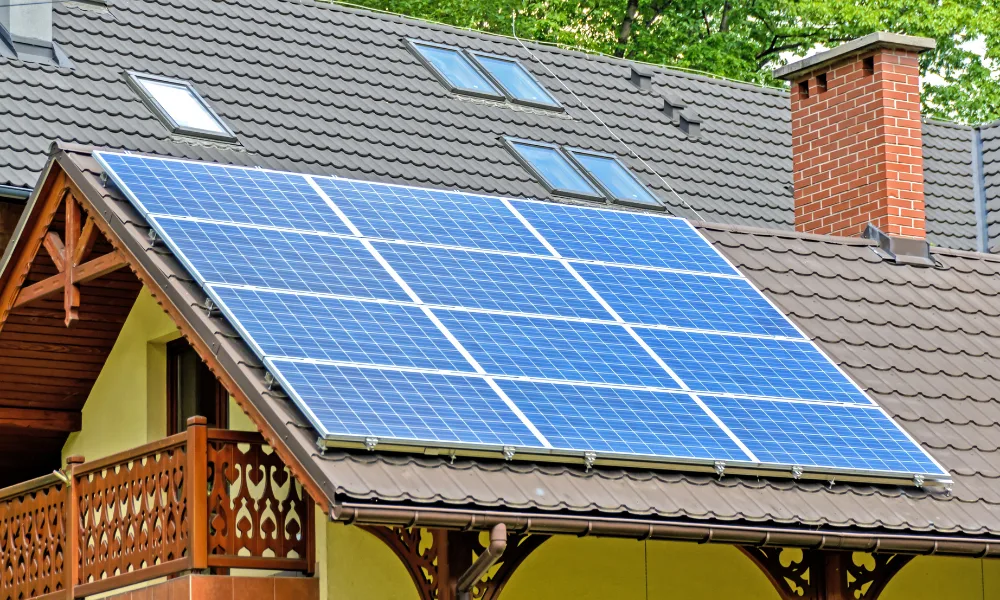
One of the most significant advantages of solar panels is the immediate and long-term reduction in electricity costs. Once installed, solar panels generate free electricity from sunlight, helping you save money month after month. Over the years, these savings can easily offset the initial investment.
2. Environmentally Friendly Energy Source
Solar energy is 100% clean and renewable. By switching to solar, you reduce your dependence on fossil fuels and lower carbon emissions. This not only benefits the planet but also supports global efforts to fight climate change.
3. Energy Independence
Relying on the national power grid can be costly and unpredictable. Solar panels give homeowners and businesses the ability to generate their own power, providing energy security and independence from fluctuating energy prices.
4. Low Maintenance and Long Lifespan
Once installed, solar panels require minimal maintenance—just occasional cleaning and inspections. High-quality panels typically last 25 to 30 years or more, ensuring decades of reliable performance with little upkeep.
5. Increased Property Value
Properties with solar installations often sell at a higher value. Homebuyers recognize the long-term savings and sustainability benefits, making solar-equipped homes more attractive in the real estate market.
6. Government Incentives and Subsidies
Many governments provide tax credits, rebates, and subsidies to encourage the use of renewable energy. These incentives significantly reduce the upfront cost of installing solar panels, making them more accessible to homeowners and businesses.
7. Better Than Traditional Energy Sources
Compared to fossil fuels and diesel generators, solar panels are cost-effective, cleaner, and more reliable over the long term. Unlike fossil fuels, sunlight is inexhaustible, ensuring a sustainable power supply.
8. Scalability and Versatility
Solar panels can be installed on rooftops, open land, or even as floating solar farms. Whether you own a small home or a large industrial facility, solar energy can be scaled to match your energy needs.
9. Supports Technological Growth
The rising demand for solar power drives innovation. Advances in panel efficiency, storage solutions like solar batteries, and smart-grid technology continue to make solar energy even more effective and affordable.
10. Contributes to a Greener Economy
Investing in solar energy supports job creation and green industries. The transition to renewable energy is creating thousands of new jobs in installation, maintenance, and research.
Challenges and Considerations:
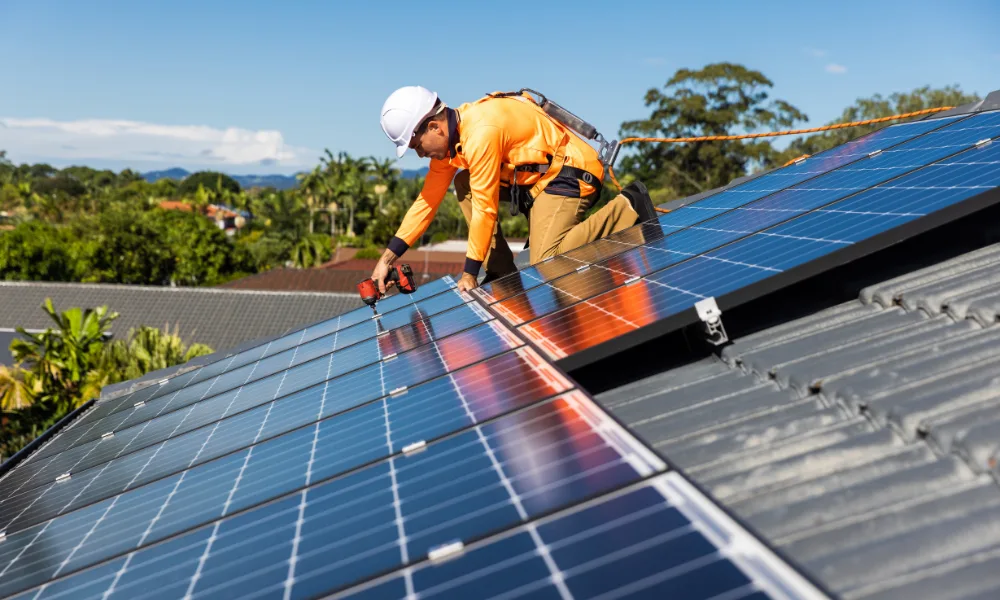
While the advantages of solar panels are undeniable, there are some considerations. The initial installation cost can be significant, and solar power generation depends on sunlight availability. However, with government incentives and rapidly falling equipment prices, these challenges are easier to overcome than ever before.
The Future of Solar Panels in India and Worldwide:
The solar industry is growing at record speed. Countries like India are investing heavily in solar power projects to meet climate goals and energy demands. With innovations like solar rooftops and floating solar farms, the future of solar energy is bright and promising.
Final Thoughts:
The advantages of solar panels extend far beyond cost savings they represent a cleaner, more secure, and more sustainable energy future. By choosing solar energy, you not only reduce your carbon footprint but also invest in long-term economic and environmental benefits.
Frequently Asked Questions (FAQs)
Ques 1. What are the main advantages of solar panels?
Ans. Solar panels reduce electricity bills, lower carbon emissions, and provide energy independence.
Ques 2. How long do solar panels last?
Ans. Most high-quality solar panels last 25–30 years with minimal maintenance.
Ques 3. What types of solar panels are available?
Ans. Monocrystalline, polycrystalline, and thin-film panels are the most common.
Ques 4. How much can I save on electricity bills?
Ans. Savings depend on location and system size but can be substantial over time.
Ques 5. How do solar panels generate electricity?
Ans. They convert sunlight into electricity through photovoltaic cells.
Ques 6. Are solar panels better than diesel generators?
Ans. Yes, they are cleaner, quieter, and cheaper to run over the long term.