Despite being one of the renewable energy sources with the fastest rate of growth, many people are still hesitant to use solar energy due to persistent misconceptions.
These myths about solar are frequently the result of ignorance or outdated information. Given how quickly technology is developing, it’s time to distinguish fact from fiction and discover solar power’s true potential.
The Myths about solar are:
Myth 1: Solar Panels Only Work in Sunny Weather
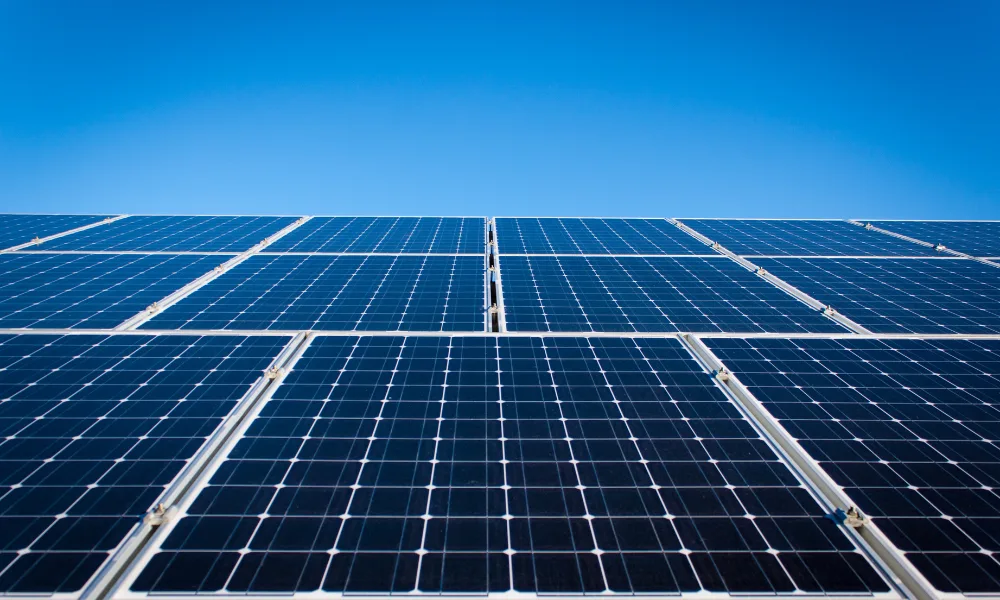
One of the biggest solar power myths is that panels only produce energy when the sun is shining brightly. The truth is that solar panels generate electricity even on cloudy or rainy days.
While efficiency is lower compared to sunny conditions, modern panels are designed to capture diffused sunlight and keep producing power. Countries with fewer sunny days, like Germany, still lead in solar adoption, proving this myth false.
Myth 2: Solar Energy Is Too Expensive
Many believe solar systems are unaffordable, but this is no longer true. Over the last decade, the cost of solar panels has dropped dramatically.
In India, government subsidies under schemes like PM Surya Ghar make solar even more affordable. When you factor in reduced electricity bills and long-term savings, the benefits of solar energy far outweigh the initial investment.
Myth 3: Solar Panels Require High Maintenance
Another misconception is that solar systems demand constant care. In reality, solar panels need very little maintenance—mostly just occasional cleaning to remove dust or debris.
Regular inspections once or twice a year are enough to ensure optimal performance. Compared to other home systems, solar requires minimal effort to maintain.
Myth 4: Solar Panels Damage Roofs
Some people avoid installing solar because they think panels will harm their roofs. On the contrary, professional installation strengthens and protects the roof by shielding it from harsh weather.
Proper mounting techniques ensure panels are secure, and in many cases, they actually extend the life of the roof beneath them.
Myth 5: Solar Power Can’t Run an Entire Home
A common myth is that solar is only good for partial energy needs. The truth is, with off-grid solar systems and battery backups, homes can be powered entirely by solar.
Hybrid systems also allow you to use both solar and grid electricity, ensuring uninterrupted supply. From rural villages to urban homes, solar can cover full energy needs with the right system size.
Myth 6: Solar Panels Don’t Last Long
People often assume solar panels wear out quickly. In fact, most panels come with warranties of 25–30 years and keep generating power well beyond that period. While efficiency may decline slightly over time, panels remain highly reliable and continue saving money for decades.
Why Do These Solar Myths Exist?
- Lack of updated information
- Misinformation from industries dependent on fossil fuels
- Early solar technology (from the 1990s) wasn’t as efficient, creating lasting doubts
The Truth: Why Solar Is the Future
Solar is clean, renewable, and sustainable. It reduces carbon emissions, lowers dependency on fossil fuels, and helps households save on energy bills.
With innovations in solar technology, adoption is expected to grow even faster in the coming years. Debunking myths about solar is the first step toward creating a greener future.
Finally
The reality is clear, most of the myths about solar are based on outdated ideas. Solar is affordable, durable, and powerful enough to support both homes and businesses. By understanding the facts, more people can confidently choose this clean energy solution.
Frequently Asked Questions (FAQs)
Ques 1. Do solar panels work on rainy or cloudy days?
Ans: Yes, modern panels capture diffused sunlight and still generate electricity even when skies are cloudy.
Ques 2. Is solar energy too costly for homeowners?
Ans: No, solar costs have dropped significantly. With subsidies and bill savings, solar is now highly affordable.
Ques 3. How long do solar panels last?
Ans: Most solar panels last 25–30 years and continue generating electricity even after that.
Ques 4. Are solar panels bad for the environment?
Ans: No, they are eco-friendly and reduce carbon emissions, unlike fossil fuels.
Ques 5. Can solar energy reduce my electricity bill?
Ans: Yes, you can save up to 80–100% depending on system size and usage.