Solar power is turning into one of the world’s hottest clean, sustainable sources of energy. However, once more, the majority of you share a persistent question in your mind: how on earth do solar panels actually work? If you have ever walked past that shiny rooftop panel or solar array and thought they’re magic machines, fear not, this blog puts you straight in easy, simple language.
In this guide, we’ll explore how solar panels work, the science behind them, their benefits, and why they are becoming a vital part of our energy future.
What Are Solar Panels?
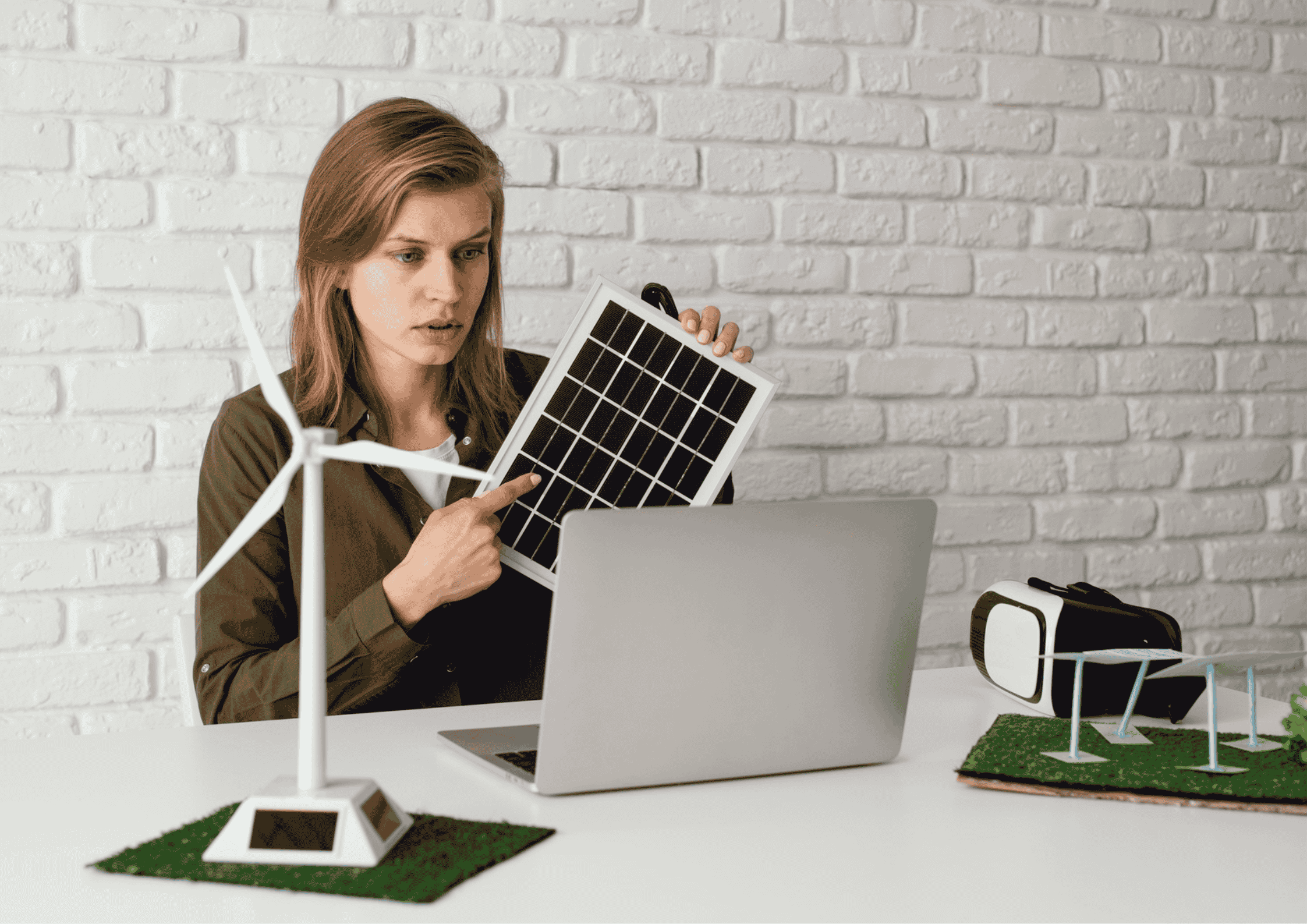
Solar panels are devices that capture sunlight and use it to create electricity. How solar panels work is by using photovoltaic (PV) cells, which are designed to capture sunlight and turn it into a usable source of energy. When you look at a solar panel, you’re actually looking at a collection of tiny PV cells combined together.
These panels are mounted on rooftops, fields, or even placed directly on mobile devices. The clean power produced by them reduces fossil fuel use and helps fight climate change.
The Science Behind Solar Panels
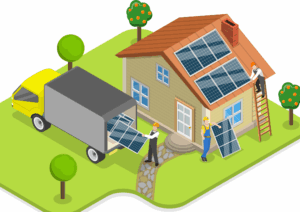
Learning how solar panels work means looking at some simple science.
1. Photovoltaic Effect
The photovoltaic effect is the overall principle governing how solar panels generate electricity. When light hits the PV cells, the light particles’ energy (photons) removes electrons from the material (often silicon).
The flow of electrons produces an electric current. This is then transformed and channeled for use at home, school, and companies.
2. Main Components of a Solar Panel
A solar panel consists of several layers that serve vital functions:
-
Silicon cells – absorb the sun’s light and release electrons.
-
Metal conductive plates – harvest electrons to create an electric current.
-
Glass covering – shields the cells while letting sunlight in.
-
Encapsulation layers – hold everything together and keep it durable.
These layers combined explain how solar panels work so effectively and last for decades.
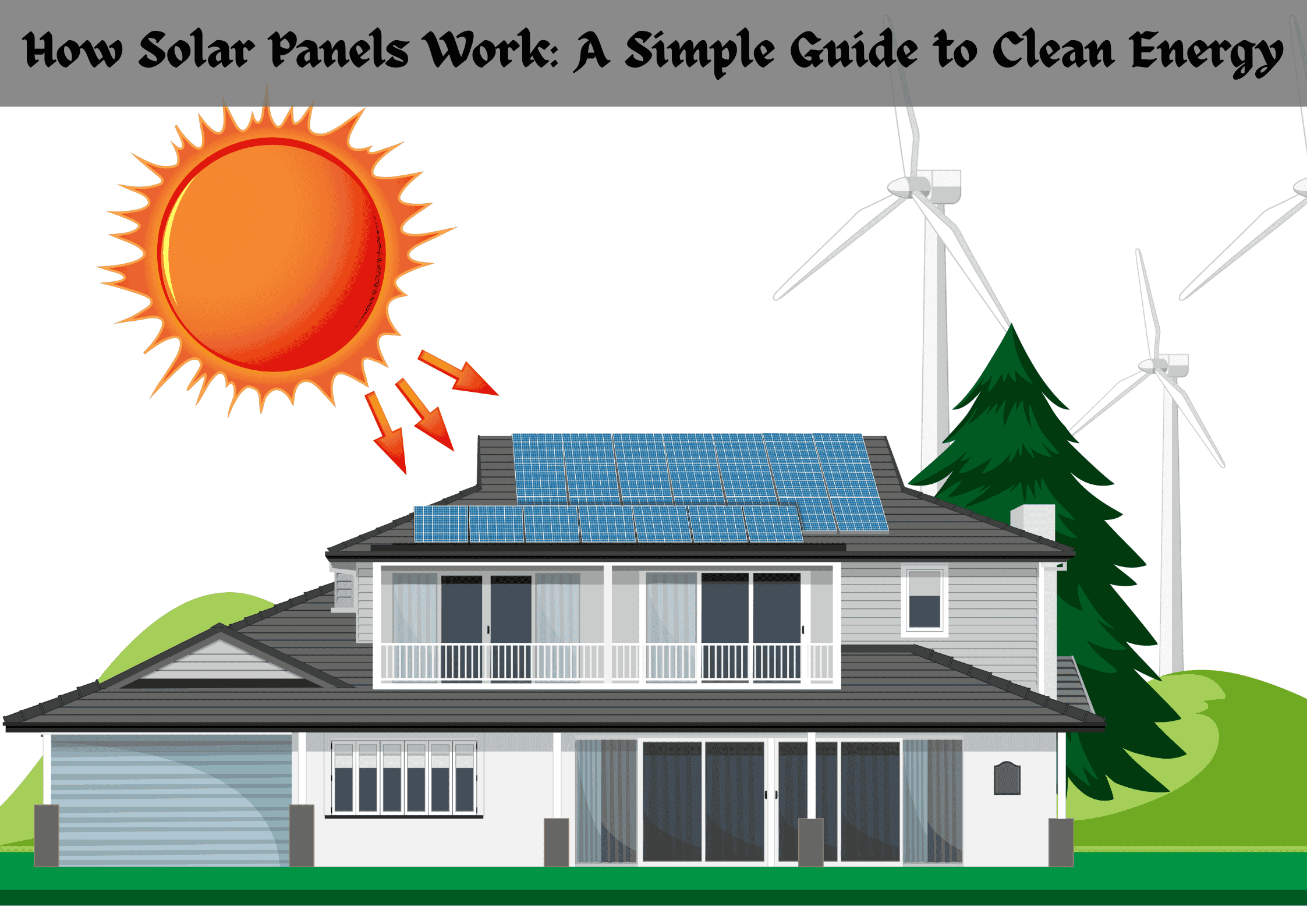
Step-by-Step: How Solar Panels Work
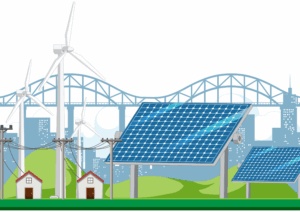
We will do this step-by-step so that it is understandable to all:
-
Sunlight falls on the solar panel – Light photons strike the panel surface.
-
Electrons are excited – The silicon cells give off electrons when light falls upon them.
-
Electric current is generated – The electrons flow through conductive wires, forming direct current (DC).
-
Inverter converts DC to AC – As our homes and appliances operate on alternating current (AC), the inverter plays a vital role.
-
Electricity powers your home – The converted electricity is now utilized to power lights, fans, computers, etc.
-
Unused energy is stored or fed back – Excess power can be stored in a battery or supplied to the grid.
This simple process makes it clear how solar panels work in practice, showing their practicality and efficiency.
Why Solar Panels Matter
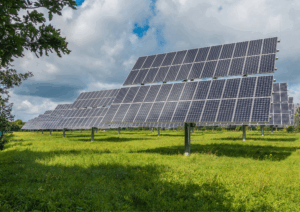
Knowing how solar panels work is not enough; one must also understand why solar panels matter.
-
Clean Energy – Solar energy reduces air pollution and greenhouse gas emissions.
-
Cost Savings – Solar panels save electricity bills after installation.
-
Energy Independence – Homes and schools can depend less on the grid.
-
Sustainability – Solar energy is clean, renewable, and abundant.
It’s why increasing numbers of families and institutions are adopting solar energy solutions.
Solar Panel Types
When exploring how solar panels work, it’s helpful to keep in mind that not all panels are the same.
-
Monocrystalline Panels – High efficiency, thinner profile, but more expensive.
-
Polycrystalline Panels – Less efficient but cheaper.
-
Thin-Film Panels – Light, flexible, and perfect for portable use.
Each has its advantages based on the user’s needs.
Things That Influence Solar Panel Efficiency
Even though the science behind how solar panels work is the same, performance can vary. Below are some factors that influence efficiency:
-
Level of sunlight – The brighter, the better the energy output.
-
Angle and positioning – Panels must face the sun directly.
-
Heat – Extremely high heat can make them less efficient.
-
Maintenance – Panels that are clean yield better results.
By knowing these, individuals can get the most out of solar energy.
The Future of Solar Energy
With us now understanding how solar panels work, we can look to the future with optimism. Technology is expanding very quickly:
-
Improved storage methods using advanced batteries.
-
Smarter grids balancing energy consumption.
-
Installation costs becoming more affordable, making solar more accessible.
Solar power is no longer a myth; it’s part of everyday life now.
Final Thoughts
Learning how solar panels work is a reminder that they are not just shiny boards on roofs. They are cost-efficient, renewable, and sustainable technology that is bringing the future of green energy to life. With science, innovation, and growing awareness, solar panels are illuminating the path to a greener tomorrow.
FAQs on How Solar Panels Work
Q1. How do solar panels generate electricity?
Ans. Solar panels generate electricity through the photovoltaic effect, when sunlight energizes silicon cells’ electrons to create an electric current.
Q2. Will solar panels work on cloudy days?
Ans. Yes, solar panels work even on cloudy days, but with reduced output compared to sunny conditions.
Q3. Must solar panels have batteries?
Ans. Not necessarily. Batteries are convenient for storing surplus energy, but panels can also supply power directly into the grid.
Q4. How long do solar panels last?
Ans. Most solar panels last 25–30 years with minimal maintenance.
Q5. Are solar panels costly?
Ans. Although the upfront cost is high, government rebates and long-term savings on electricity bills make them a smart investment.