Power outages are becoming more and more common in many areas, and electricity costs are rising. When we think about solar energy, homeowners frequently ask themselves, “Which solar system should I pick?” Although off-grid systems offer independence and on-grid systems are less expensive, both have drawbacks.
This issue is resolved by a hybrid solar system, which combines the benefits of both in one. Consider it a multipurpose solution: with a single smart system, you can lower your reliance on the grid, save money on energy costs, and enjoy backup power.
We’ll go over what hybrid solar systems are, how do they operate, their benefits and drawbacks, expenses, upkeep, government incentives, and advice on how to pick the best one for your house in this guide.
What is Hybrid Solar System?
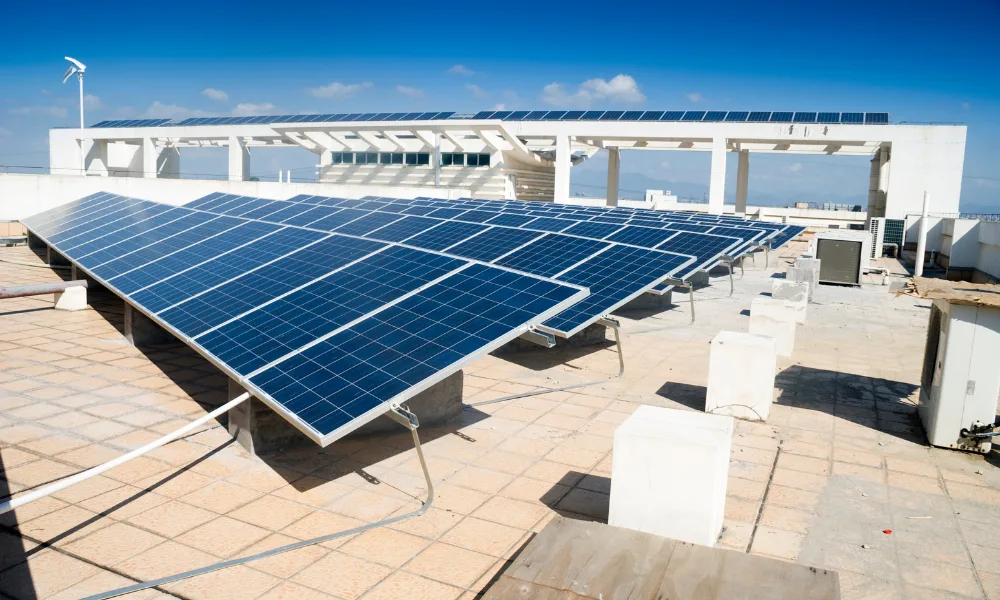
In addition to connecting to the main electrical grid, a hybrid solar system stores excess energy in batteries and it produces electricity from solar panels.
In contrast when compared to off-grid systems that solely depend on batteries and on-grid systems that shut down during blackouts, hybrids let you:
- Use solar energy directly
- Store surplus power in batteries
- Export excess electricity to the grid (if net metering is available)
- Use grid electricity when solar and battery supply run out
How Does a Hybrid Solar System Work?
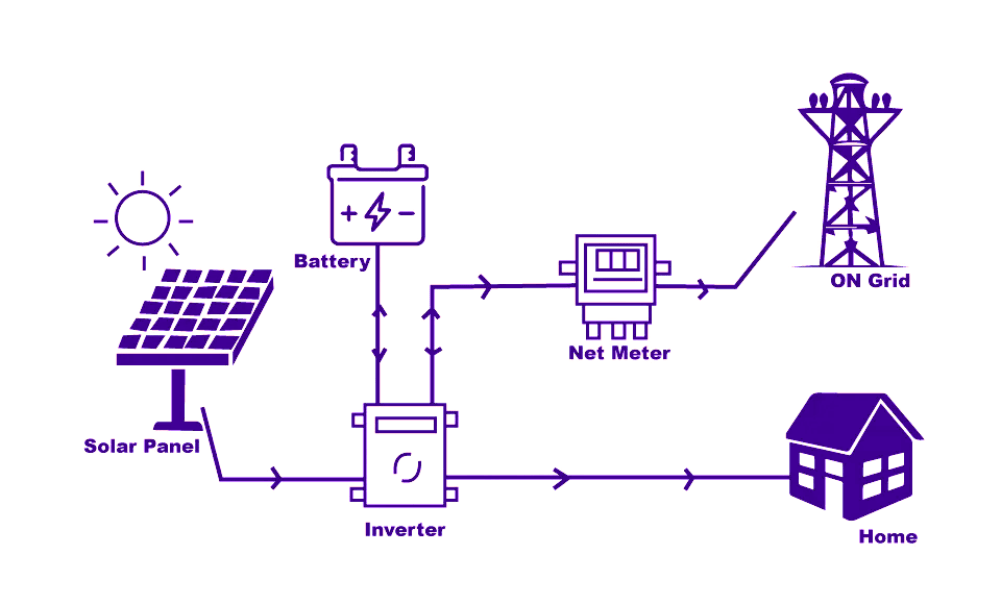
Here’s a simplified breakdown:
- Daytime: Solar panels generate electricity. First, it powers your household appliances.
- Battery charging: The excess electricity charges solar batteries.
- Grid support: If solar panels generate more electricity than your home and batteries need, surplus power is exported to the grid.
- Nighttime or outages: Your home automatically switches to battery power, ensuring uninterrupted supply.
- Backup with grid: When batteries are low, grid electricity provides support.
This balance ensures maximum utilization of solar energy while also offering backup security.
Benefits of Hybrid Solar Systems:
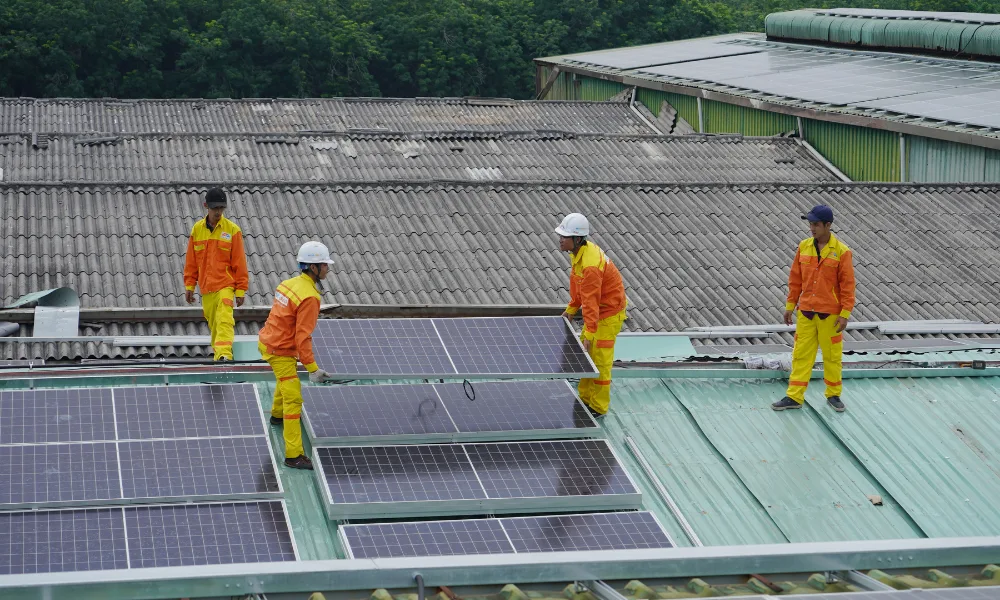
1. Reliable Power Supply
No more blackouts because hybrid solar systems give you backup storage to cover outages.
2. Cost Savings
By using solar energy during the day and stored energy during peak tariff hours, you reduce your electricity bills significantly.
3. Sustainability
Solar energy reduces your carbon footprint and dependence on fossil fuels.
4. Energy Independence
You don’t have to rely completely on your electricity provider since your home produces and stores clean energy.
5. Long-Term Investment
While upfront costs are higher, hybrid solar systems pay for themselves over time through energy savings and government incentives.
Hybrid Solar System vs Other Solar Options:
| Feature | On-Grid | Off-Grid | Hybrid Solar |
| Battery backup | ❌ No | ✅ Yes | ✅ Yes |
| Connected to grid | ✅ Yes | ❌ No | ✅ Yes |
| Works during blackout | ❌ No | ✅ Yes | ✅ Yes |
| Cost | Low | High | Medium |
| Reliability | Medium | Medium | High |
| Bill savings | High (with net metering) | None | High + Backup |
Verdict: Hybrid systems deliver the best balance between savings, independence, and reliability.
Maintenance Tips for Hybrid Solar Systems:
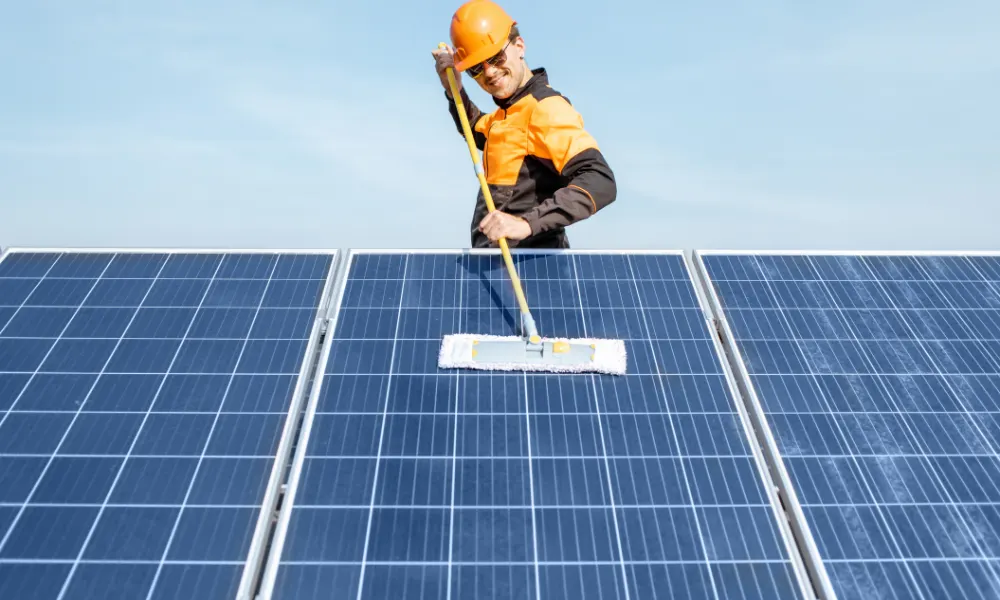
To ensure long-term performance:
Solar Panel Cleaning: Remove dust and bird droppings every 3–6 months for maximum efficiency.
- Battery Care:
-
- Avoid deep discharges frequently.
- Replace batteries every 5–10 years (depending on type).
Professional Servicing: Get annual inspections from certified installers to keep the system in top shape.
Monitor Performance: Use apps or monitoring systems to track daily generation and battery health.
Well-maintained systems can last for 20–25 years.
Government Incentives and Subsidies:
India: Government subsidy up to 40% for rooftop systems under the PM-Surya Ghar Yojana (varies by location and system size).
How to Choose the Right Hybrid Solar System?
1 . Assess Your Energy Needs:
Look at your electricity bill to estimate daily power usage (in kWh).
2. Choose the Right System Size:
- Small household: 3–5 kW
- Medium: 5–7 kW
- Large: 10+ kW
3. Pick the Battery Type:
- Lithium-ion: Longer lifespan, higher efficiency (more expensive).
- Lead-acid: Cheaper but requires frequent replacements.
4. Ensure Net Metering Support:
Check with your electricity provider if you can export unused solar energy back to the grid.
5. Select Trusted Installers:
Always go for certified installers with warranties on equipment and workmanship.
Potential Drawbacks of Hybrid Solar Systems:
While hybrid systems are efficient, it’s essential to know the challenges:
- Higher Upfront Costs: Batteries increase system costs.
- Battery Lifespan: Needs replacement every 8–10 years.
- Space Requirement: Battery storage units require dedicated indoor or outdoor space.
Despite these challenges, the benefits typically outweigh the cons for most households.
Frequently Asked Questions (FAQs)
Ques 1. Do hybrid solar systems work without sunlight?
Ans. Yes, stored battery energy or grid power keeps your home running even when panels aren’t generating.
Ques 2. How long does installation take?
Ans. Most installations are completed within 3–7 days, depending on system size.
Ques 3. Is adding batteries to an existing solar system possible?
Ans. Yes, many on-grid systems can be upgraded to hybrid by adding compatible batteries and inverters.
Ques 4. How much can I save annually?
Ans. Depending on your location and consumption, savings can range from 20% to 70% on your electricity bills.