If you’re running a factory, warehouse, or large-scale business, 2025 might be the year you finally switch to solar.
With energy prices rising and sustainability becoming a business priority, industrial solar panels are no longer a futuristic idea they’re a practical, cost-saving solution.
This guide breaks down everything you need to know about industrial solar panels in 2025, from how they work to why they’re better than other energy options.
What are Industrial Solar Panels?
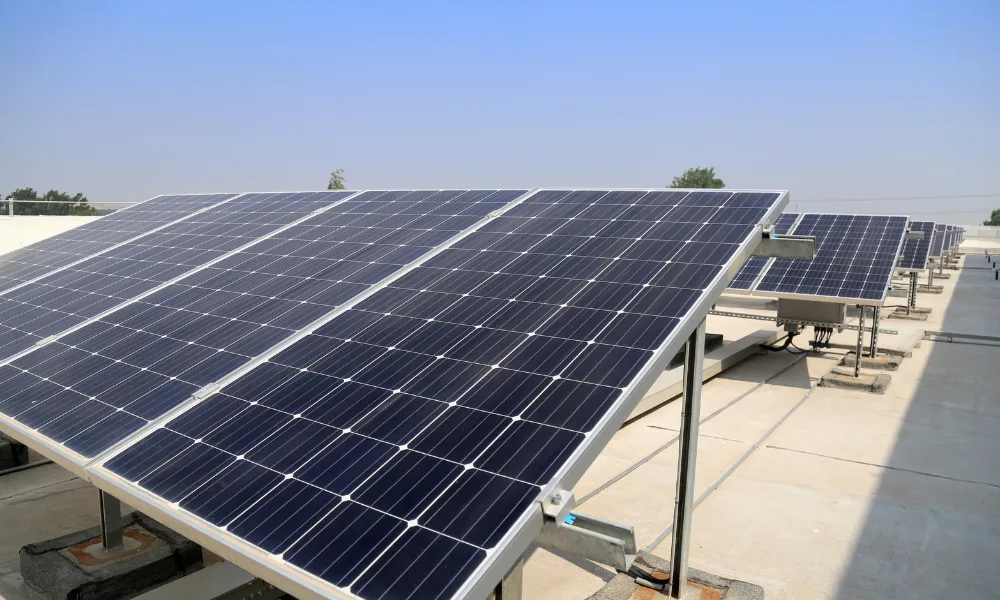
Industrial solar panels are high-capacity photovoltaic systems designed to power extensive facilities. Unlike residential panels, they’re built for scale, durability, and performance.
These systems typically include:
- High-efficiency solar modules
- Inverters convert solar energy into usable electricity
- Mounting systems for rooftops or ground installations
- Monitoring software to track performance
They’re engineered to handle the energy demands of factories, data centers, and agricultural operations.
Why Industrial Solar Panels are Booming in 2025?
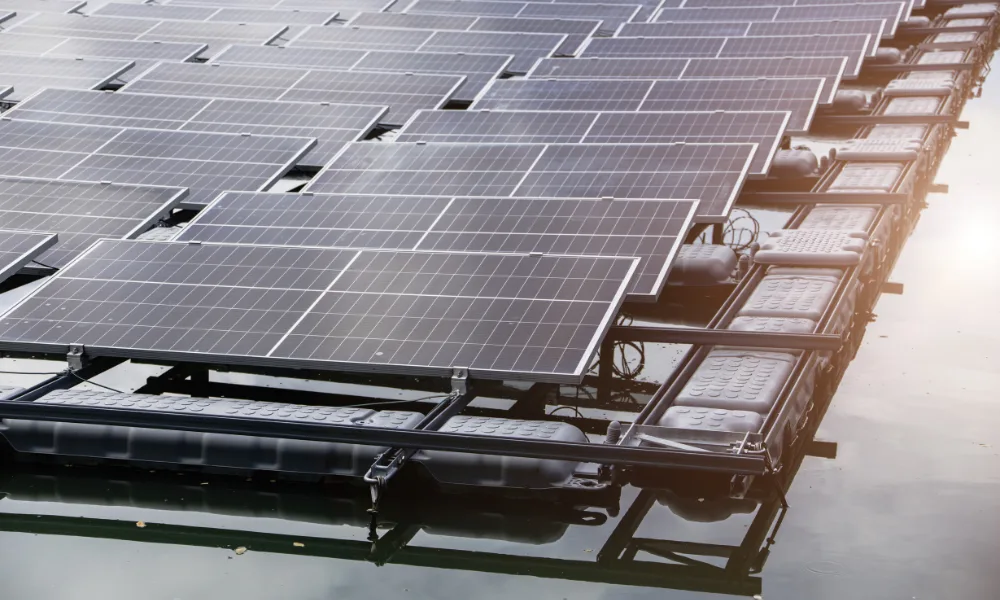
The global shift toward clean energy has accelerated in 2025, and industrial solar panel are leading the charge.
Here’s why:
- Government incentives: Many countries offer tax breaks, subsidies, and net metering programs for industrial solar adoption.
- Technological breakthroughs: New panel types like TOPCon and HJT offer higher efficiency and longer lifespans.
- AI-powered optimization: Smart solar systems now use AI to predict energy usage and maximize output.
- Corporate ESG goals: Businesses are under pressure to reduce carbon footprints and meet sustainability benchmarks.
Benefits of Industrial Solar Panel:
Switching to an industrial solar panel offers a wide range of advantages:
- Lower energy bills: Solar can cut electricity costs by up to 70% over time.
- Energy independence: Reduce reliance on unstable grid power or expensive diesel generators.
- Environmental impact: Solar energy is clean, renewable, and helps meet carbon reduction goals.
- Scalability: Systems can be expanded as your business grows.
Types of Solar Panels for Industry in 2025:
Choosing the right panel type is key. In 2025, the most popular options include:
- Monocrystalline: High efficiency and long lifespan.
- Polycrystalline: Budget-friendly but slightly less efficient.
- Thin-film: Lightweight and flexible, ideal for unconventional surfaces.
- Bifacial panels: Capture sunlight from both sides for increased output.
Advanced technologies like TOPCon, HJT, and IBC are gaining traction for their superior performance.
How to Choose the Right Industrial Solar Panel?
Not all solar panels are created equal. When selecting a system, consider:
- Efficiency: Higher efficiency means more power from less space.
- Durability: Panels should withstand harsh weather and industrial wear.
- Budget: Balance upfront costs with long-term savings.
- Space availability: Rooftop vs. ground-mounted options.
Consulting with a solar expert can help tailor the system to your specific needs.
Installation and Maintenance: What to Expect
Installing industrial solar panels is a streamlined process in 2025:
- Site assessment: Engineers evaluate your location and energy needs.
- System design: Customized layout and component selection.
- Installation: Typically completed within weeks.
- Maintenance: Minimal upkeep—just occasional cleaning and performance checks.
Most systems come with 25+ year warranties and remote monitoring tools.
Industrial Solar Panels vs. Other Energy Solutions:
How do industrial solar panel stack up against traditional energy sources?
| Energy Source | Cost Over Time | Environmental Impact | Reliability | Scalability |
| Industrial Solar | Low | Very Low | High | High |
| Diesel Generators | High | Very High | Medium | Low |
| Grid Electricity | Medium–High | Medium | Medium | Medium |
| Wind or Hydro | Variable | Low | Location-dependent | Medium |
Industrial solar panel offer the best balance of cost, sustainability, and scalability.
Real-World Success Stories:
In 2025, companies across industries are reporting major wins:
- A textile factory in India reduced energy costs by 60% with rooftop solar.
- A logistics hub in Germany achieved carbon neutrality using bifacial panels.
- A dairy farm in Australia powers its entire operation with solar and battery storage.
These examples show how industrial solar panels are transforming business models.
Final Thoughts: The Future of Industrial Solar Panels
The future is bright literally. With AI integration, better materials, and global support, industrial solar panels are becoming the go-to energy solution for forward-thinking businesses.
If you’re looking to cut costs, boost sustainability, and future-proof your operations, 2025 is the perfect time to make the switch.
Frequently Asked Questions (FAQs)
Ques 1. What are industrial solar panels?
Ans. Industrial solar panels are high-capacity solar systems designed to power large facilities like factories, warehouses, and farms.
Ques 2. How long do industrial solar last?
Ans. Most panels last 25–30 years, with minimal degradation in performance over time.
Ques 3. Which type of industrial solar panel is best?
Ans. Monocrystalline and bifacial panels are popular for their high efficiency and durability.
Ques 4. How much space do industrial solar panels need?
Ans. It depends on energy requirements, but large rooftops or open land are ideal.
Ques 5. Are there government incentives for industrial solar panels?
Ans. Yes, Many countries offer tax credits, subsidies, and net metering programs.