
Solar energy powers homes, industries, and entire cities across the world. Yet, one common question often arises: Is Solar Energy Renewable or Nonrenewable? The short answer is clear solar energy is renewable.
But understanding why it’s renewable and how it compares with nonrenewable sources is essential for anyone looking toward a cleaner, sustainable future.
What is solar energy?
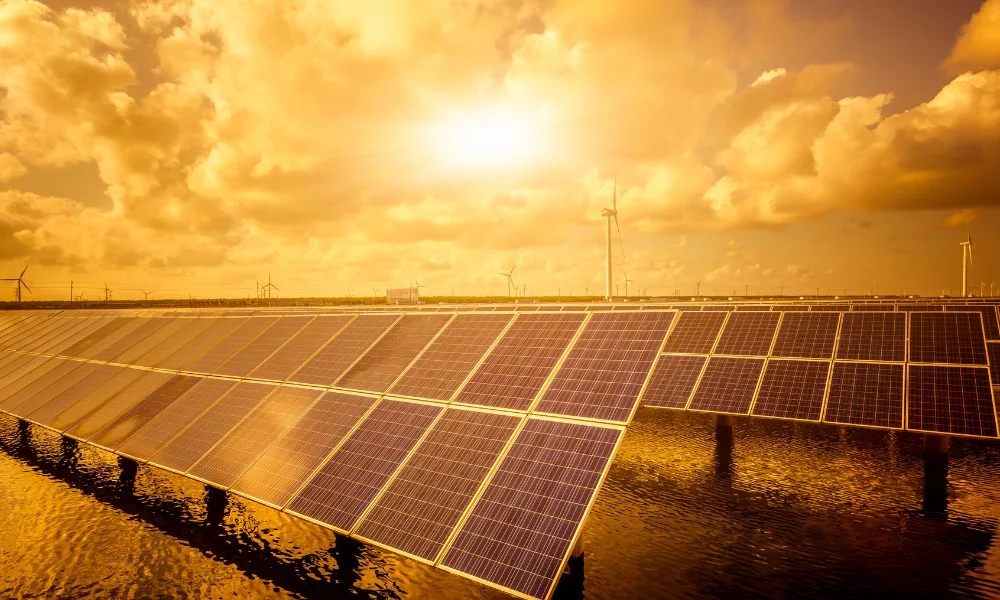
Solar energy means power from the sun. Sunlight carries photons. Solar panels turn those photons into electricity through photovoltaic cells.
Large plants use mirrors or lenses to focus the sun’s heat for power. Solar power works at a small scale on roofs and at a utility scale in solar farms.
Is Solar Energy Renewable or Nonrenewable?
The answer to the question “Is Solar Energy Renewable or Nonrenewable?” is simple: Solar energy is renewable.
It is derived from the sun, which is expected to continue emitting energy for over 5 billion more years.
Unlike coal, oil, or natural gas, solar energy does not deplete a natural reserve when used. Every morning, the sun replenishes the world’s energy supply, making solar an infinite and sustainable source of power.
Why is solar energy classified as renewable?
To understand why solar is renewable, you must look at the characteristics of renewable energy itself. Renewable sources are those that are naturally replenished within a human lifespan.
The sun fits this definition perfectly. Its radiation is continuous, abundant, and universally available. Solar panels convert this energy into electricity without consuming the sunlight or reducing future supply.
Even when the panels reach the end of their lifecycle, recycling and new panel manufacturing allow the process to continue indefinitely.
How does solar differ from nonrenewable sources?
Nonrenewable sources include coal, oil, and natural gas. These form over millions of years. Burning them consumes stored carbon and reduces the remaining stock.
Solar uses incoming energy instead of stored chemical energy. That makes a fundamental difference in sustainability and long-term supply.
Benefits of solar as a renewable source:

Solar energy offers numerous environmental, economic, and social benefits:
- Zero emissions during use – Solar panels generate electricity without releasing carbon dioxide or other greenhouse gases.
- Lower energy costs – Once installed, solar systems significantly reduce electricity bills for households and businesses.
- Energy independence – Solar energy reduces reliance on imported fossil fuels, enhancing national energy security.
- Job creation – The solar sector creates millions of jobs in manufacturing, installation, and maintenance.
- Decentralized power generation – Rooftop and small-scale systems allow local energy generation, reducing grid pressure.
The International Energy Agency (IEA) reports that solar is now the fastest-growing energy source globally, accounting for a major share of new renewable capacity added each year.
Limits and challenges:
Solar has limits you must know. Sunlight varies by time and weather. Storage systems add cost and complexity. Manufacturing panels uses materials that require recycling and safe handling.
Grid upgrades are needed to integrate large solar fleets. These challenges are solvable but require planning and investment.
Practical takeaways
If you ask Is Solar Energy Renewable or Nonrenewable because you plan to switch, start small. Rooftop panels reduce bills and cut emissions.
Look for certified installers, check local incentives, and consider a battery if outages matter. For communities, policy that supports storage and smart grids will speed broader adoption.
Final point
Answering Is Solar Energy Renewable or Nonrenewable is straightforward: solar energy is renewable. It offers a stable, long-term path away from fossil fuels.
The technical and policy challenges are solvable, and solar already provides clear benefits for households, businesses, and grids. Use the facts above to make informed choices about solar power.
Frequently Asked Questions (FAQs)
Ques 1. Is Solar Energy Renewable or Nonrenewable?
Ans. Solar energy is renewable. The sun provides a continuous source of light and heat that never runs out.
Ques 2. What makes solar energy different from nonrenewable energy?
Ans. Solar energy replenishes naturally, while nonrenewable sources like coal and oil take millions of years to form and are limited in quantity.
Ques 3. Can solar energy ever run out?
Ans. No. The sun will continue to produce energy for about 5 billion more years, making solar energy endless for human use.
Ques 4. Is solar energy cost-effective?
Ans. Yes. Although installation requires investment, it saves money over time through lower electricity bills and incentives.
Ques 5. Why is solar energy sustainable?
Ans. It meets present energy needs without affecting future generations’ ability to meet theirs since sunlight is infinite.
Ques 6. Is solar energy the future of power generation?
Ans. Yes, experts predict solar will become the world’s leading electricity source by 2030 due to falling costs and rising demand.