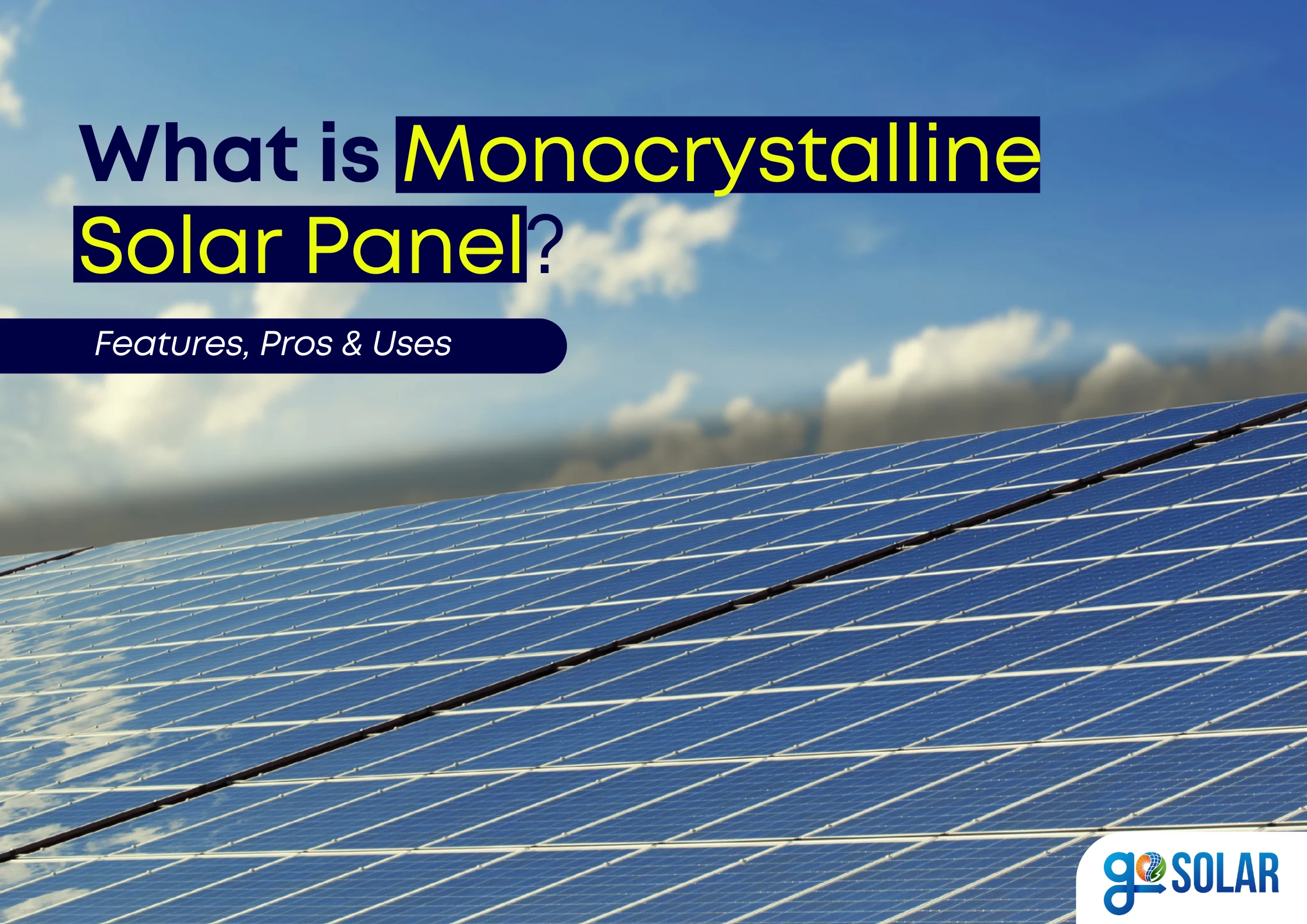
Solar energy is becoming the backbone of sustainable living, and one of the most popular technologies driving this change is the monocrystalline solar panel.
Known for its sleek black appearance and high efficiency, this type of solar panel is often preferred by homeowners, businesses, and industries seeking reliable, clean solar energy. But what exactly makes it different from others, and why is it considered better? Let’s explore.
Understanding Monocrystalline Solar Panel:
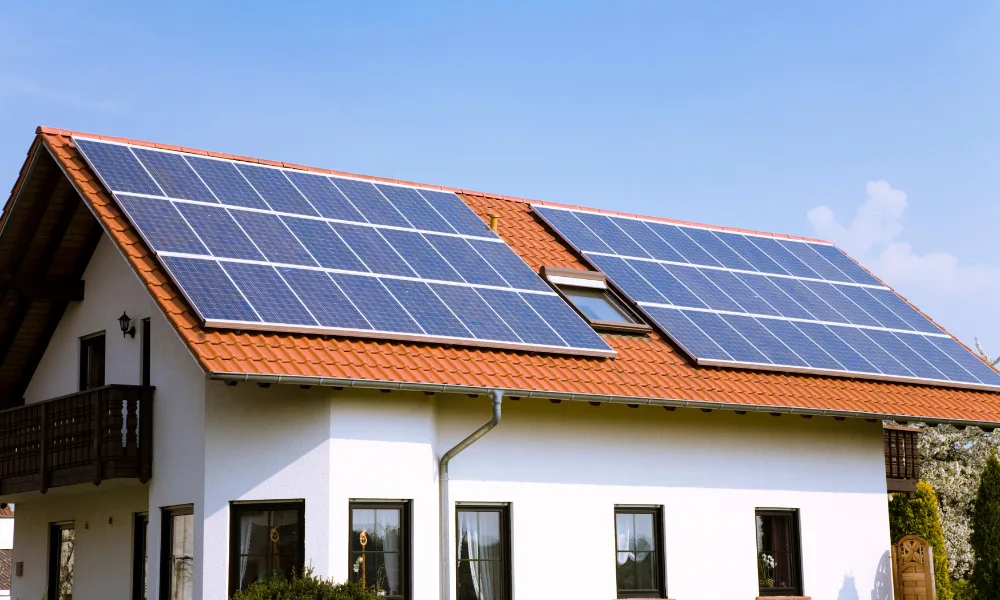
A monocrystalline solar is made from a single continuous crystal structure, usually silicon. This single-crystal structure allows electrons to flow more freely, resulting in higher efficiency compared to other panels.
- Appearance: Uniform black with rounded edges
- Efficiency: Typically between 17% and 22%
- Material: Pure silicon wafers
- Lifespan: 25–30 years with consistent performance
Because of their efficiency, monocrystalline panels require less space to generate the same amount of electricity as other panels, making them ideal for homes with limited rooftop area.
Why Monocrystalline Panels Are Better?
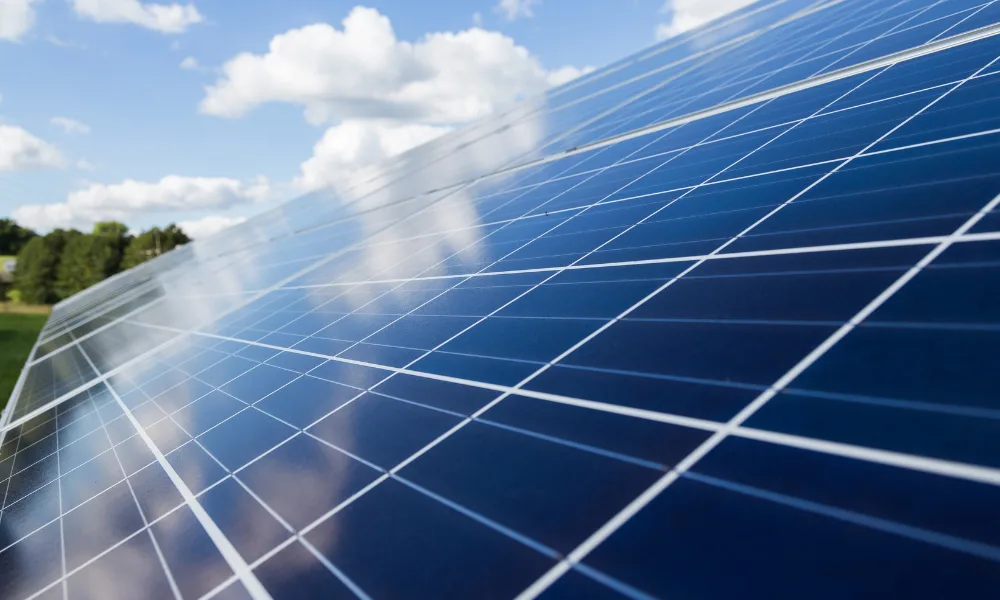
While there are different types of solar panels—monocrystalline, polycrystalline, and thin-film. The monocrystalline solar panel stands out for several reasons:
1. Higher Efficiency
Due to their single-crystal structure, they have better electron flow, giving them higher energy conversion rates.
2. Space-Saving Design
Smaller rooftops benefit the most since fewer panels are needed to generate the same amount of power.
3. Durability
They are designed to last longer and perform consistently even in challenging climates.
4. Better Performance in Low Light
Compared to polycrystalline, monocrystalline solar panels perform better during cloudy weather or in shaded conditions.
Pros of Monocrystalline Solar Panel:
- High efficiency (up to 22%)
- Sleek black design (aesthetic appeal)
- Longer lifespan (25+ years)
- Performs well in low-light conditions
Applications of Monocrystalline Solar Panel:
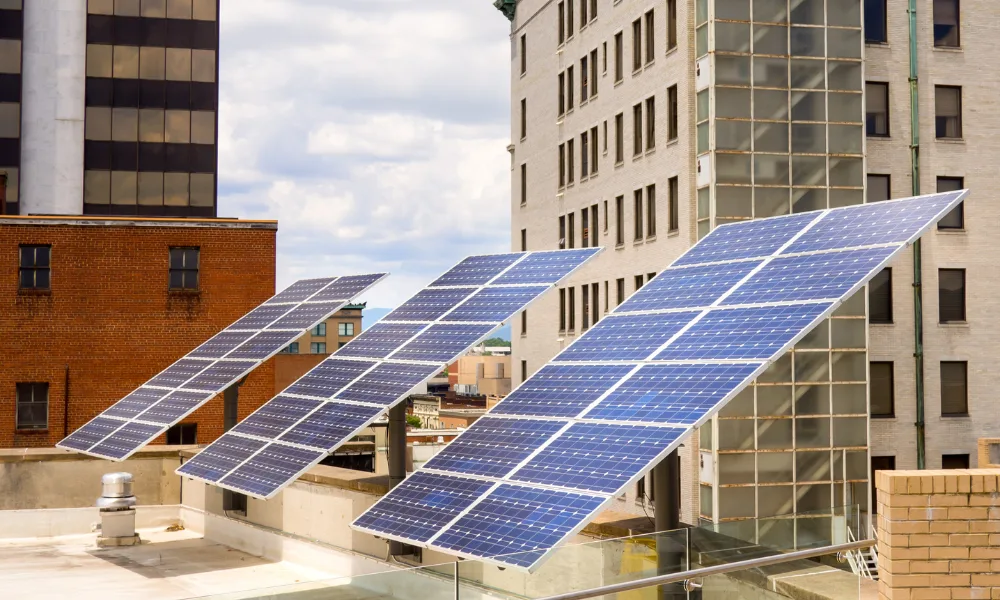
- Residential solar rooftops – Perfect for homes with limited roof space
- Commercial buildings – Offices and malls needing higher efficiency output
- Industrial setups – Factories with high energy demands
- Solar farms – Where efficiency per panel is crucial
Comparison with Other Panels:
| Feature | Monocrystalline Solar Panel | Polycrystalline Solar Panel | Thin-Film Solar Panel |
| Efficiency | 17%–22% | 13%–16% | 10%–12% |
| Cost | Higher | Medium | Lower |
| Space Requirement | Less | More | High |
| Lifespan | 25–30 years | 20–25 years | 10–15 years |
| Aesthetics | Sleek black | Blue speckled | Flexible design |
This shows why the monocrystalline solar panel is often preferred despite being slightly more expensive.
Why Choose a Monocrystalline Solar Panel in 2025?
As solar adoption grows, technology continues to improve. Monocrystalline panels now come with PERC (Passivated Emitter Rear Cell) technology, increasing their efficiency even further. For homeowners and businesses looking for long-term investment, monocrystalline remains the most reliable choice.
Conclusion
The monocrystalline solar is the gold standard in today’s solar market. With high efficiency, durability, and sleek design, it outperforms polycrystalline and thin-film options.
While the initial cost is higher, the long-term benefits make it the smarter investment. If you’re considering solar, monocrystalline is often the best way forward.
Frequently Asked Questions (FAQs)
Ques 1. Why are monocrystalline solar panels black?
Ans. They appear black due to the high purity of silicon used, which absorbs sunlight more efficiently.
Ques 2. Are monocrystalline solar panels better than polycrystalline?
Ans. Yes, they are more efficient, last longer, and require less space, but cost slightly more.
Ques 3. How long do monocrystalline panels last?
Ans. They usually last 25–30 years with proper maintenance.
Ques 4. Can monocrystalline panels work in cloudy weather?
Ans. Yes, they perform better than polycrystalline in low-light conditions.
Ques 5. What are the advantages of monocrystalline panels?
Ans. High efficiency, long lifespan, aesthetic design, and space-saving benefits.