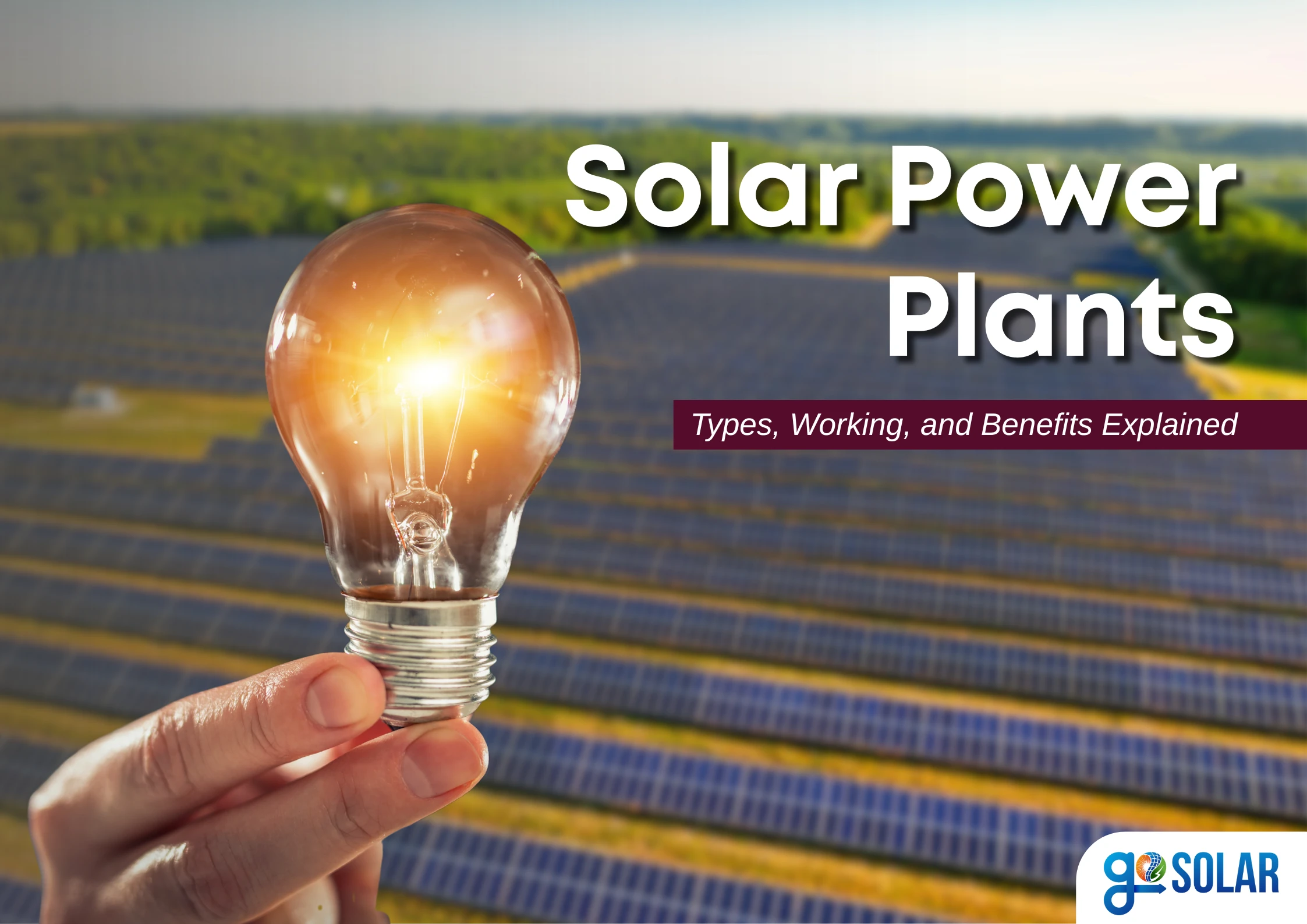
Electricity powers every part of our lives, from lighting up homes to running industries. But as the demand for energy increases, traditional sources like coal and gas are proving unsustainable. That’s where solar power plants come in clean, renewable, and efficient solutions shaping the future of energy.
A solar power plant captures sunlight and converts it into usable electricity through advanced technologies. It’s not just an alternative anymore it’s becoming the main source of energy for homes, businesses, and even entire cities.
What Is a Solar Power Plant?
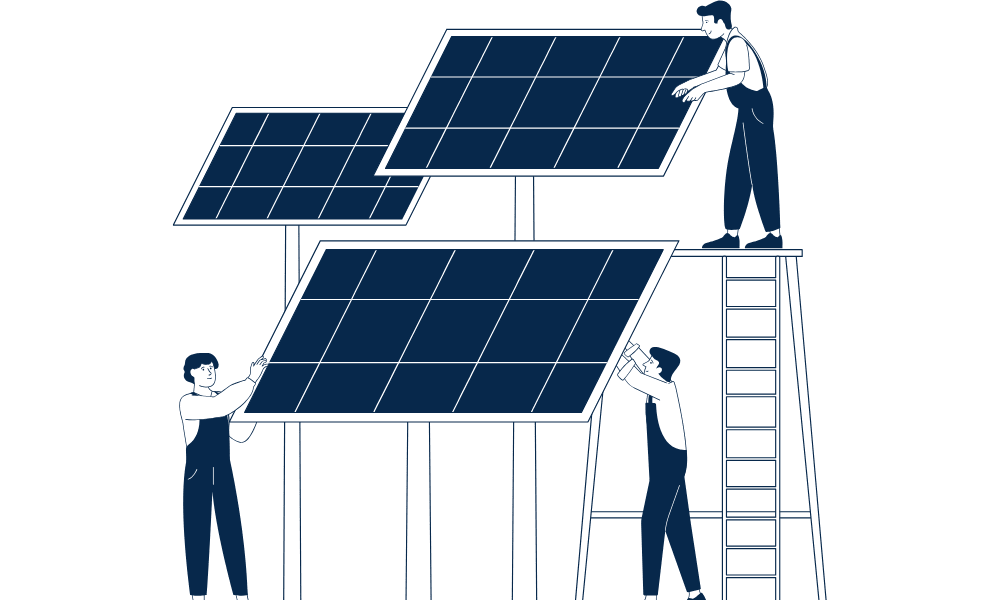
A solar power plant is a large-scale facility designed to generate electricity using sunlight. It uses solar panels (photovoltaic modules) or concentrated solar power (CSP) systems to convert solar energy into electrical energy.
In simple terms, it’s a setup that turns free sunlight into usable power, either feeding it directly into the grid or storing it for later use.
Solar plants can be installed on rooftops, open land, or even floating over water bodies, depending on the scale and requirement.
How Does a Solar Power Plant Work?
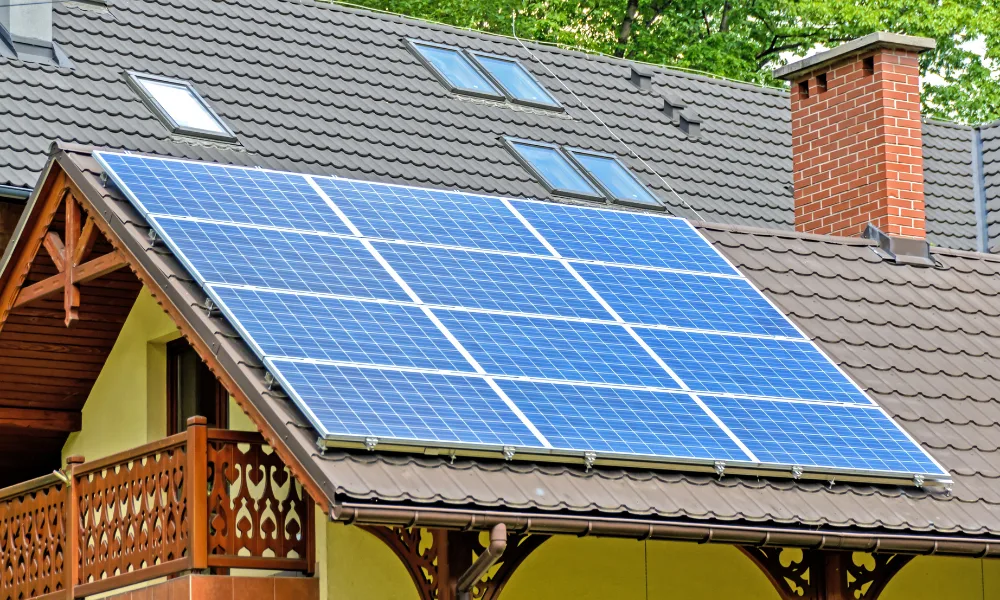
The working of a solar plant is simple yet fascinating.
It follows a few basic steps:
- Sunlight Absorption: Solar panels absorb sunlight using photovoltaic (PV) cells made from semiconductor materials like silicon.
- Electricity Generation: The sunlight energizes electrons inside the PV cells, creating direct current (DC) electricity.
- Inverter Conversion: A solar inverter then converts DC power into alternating current (AC), which can be used in homes and industries.
- Power Utilization: The generated electricity powers homes, businesses, or feeds into the local power grid.
- Net Metering: In grid-tied systems, extra energy goes to the grid, and users receive credits on their electricity bill.
This efficient process ensures that a solar power plant can run silently, sustainably, and almost maintenance-free for decades.
Types of Solar Power Plants:
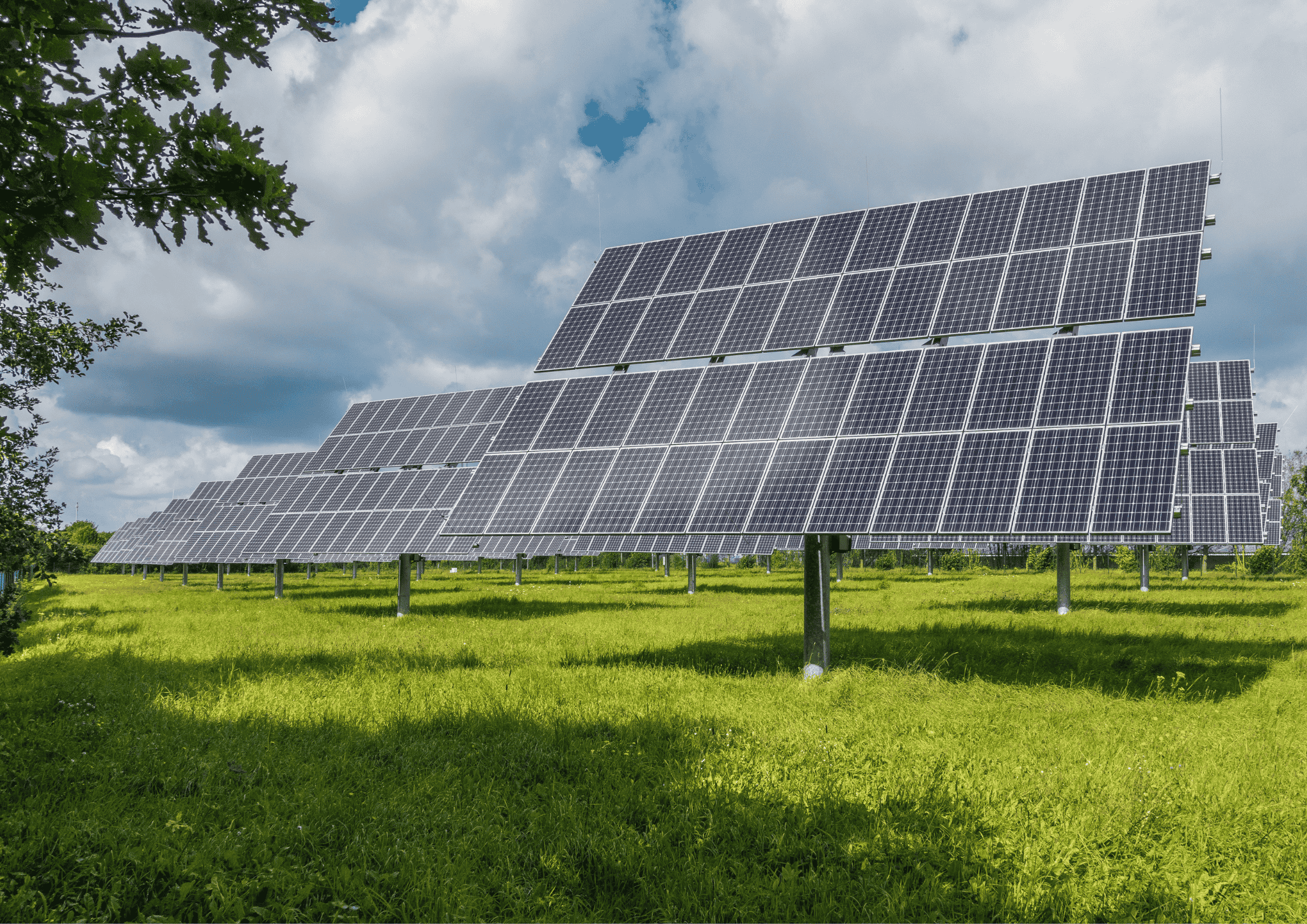
Solar power technology has evolved into different forms to suit various needs and environments. Let’s look at the main types of solar power plants:
1. Photovoltaic (PV) Power Plant
This is the most common type of solar plant, using PV panels to convert sunlight directly into electricity. It’s used in both rooftop and ground-mounted setups and is ideal for homes and industries.
2. Concentrated Solar Power (CSP) Plant
CSP plants use mirrors or lenses to focus sunlight onto a small area, producing heat that drives a steam turbine to generate electricity. It’s more suitable for large-scale power production.
3. Rooftop Solar Power Plant
These are smaller systems installed on rooftops of homes, schools, or offices. They’re connected to the grid and often eligible for government subsidies.
4. Floating Solar Power Plant
An innovative approach where panels are installed on floating structures over water reservoirs or lakes. It saves land space and keeps panels cool for better efficiency.
Each type of solar power plant has its own benefits from household savings to industrial-scale energy generation.
Benefits of Solar Power Plants:
The popularity of solar power plants is not just due to clean energy, it’s about economic and environmental sense.
Here’s why:
1. Reduced Electricity Bills
Once installed, solar power plants drastically cut your monthly electricity costs by generating free energy from sunlight.
2. Environmentally Friendly
Solar energy is renewable, clean, and carbon-free. It reduces greenhouse gas emissions and air pollution.
3. Low Maintenance
After installation, solar plants require very little maintenance mainly occasional cleaning of panels.
4. Long Life Span
Modern panels last up to 25 years or more, ensuring long-term energy savings.
5. Energy Independence
You’re less dependent on rising electricity tariffs and can even earn credits through net metering.
Solar Plant Setup in India:
India is one of the fastest-growing solar markets in the world. With ample sunlight throughout the year, it’s an ideal location for solar installations.
To set up a solar plant in India, here’s what the process generally involves:
Site Assessment: Checking sunlight exposure, land size, and grid connectivity.
System Design: Determining plant capacity (in kW or MW) and layout planning.
Government Approvals: Getting permissions and applying for subsidies.
Installation: Mounting panels, wiring, and connecting to the grid.
Inspection & Commissioning: DISCOM or state authority checks the system before final approval.
Both central and state governments provide solar subsidies, tax incentives, and net metering support to promote adoption.
Challenges in Setting Up a Solar Plant:
While solar energy is promising, setting up a solar power plant comes with challenges:
- Initial Investment: Though costs have reduced, installation can still be expensive for small users.
- Land and Space Requirements: Large-scale projects need extensive land area.
- Weather Dependence: Efficiency drops during cloudy or rainy days.
- Awareness & Maintenance Gaps: Many users lack knowledge of proper cleaning and servicing schedules.
However, with technology improvements and government support, these challenges are becoming easier to overcome each year.
Future of Solar Plants in India:
The future of solar energy looks bright, quite literally. India aims to reach 280 GW of solar power capacity by 2030, with increasing investments in large-scale solar parks and floating solar projects.
Emerging trends like bifacial panels, perovskite solar cells, solar tracking systems, and energy storage integration will further boost performance and reliability.
Soon, solar power plants won’t just power buildings, they’ll drive electric vehicles, smart grids, and entire sustainable cities.
Frequently Asked Questions (FAQs)
Ques 1. What is a solar power plant?
Ans. A solar power plant is a facility that converts sunlight into electricity using solar panels or mirrors. It’s one of the cleanest sources of renewable energy.
Ques 2. How does a solar plant work?
Ans. It captures sunlight through solar panels, converts it into electrical energy, and sends it to homes, businesses, or the power grid.
Ques 3. What is the purpose of a solar plant?
Ans. The main purpose is to generate electricity sustainably while reducing carbon emissions and dependence on fossil fuels.
Ques 4. Is solar power really renewable?
Ans. Yes, sunlight is an infinite energy source, making solar one of the most sustainable and renewable options available.
Ques 5. What is the life span of a solar power plant?
Ans. Most plants last 25–30 years with minimal maintenance.