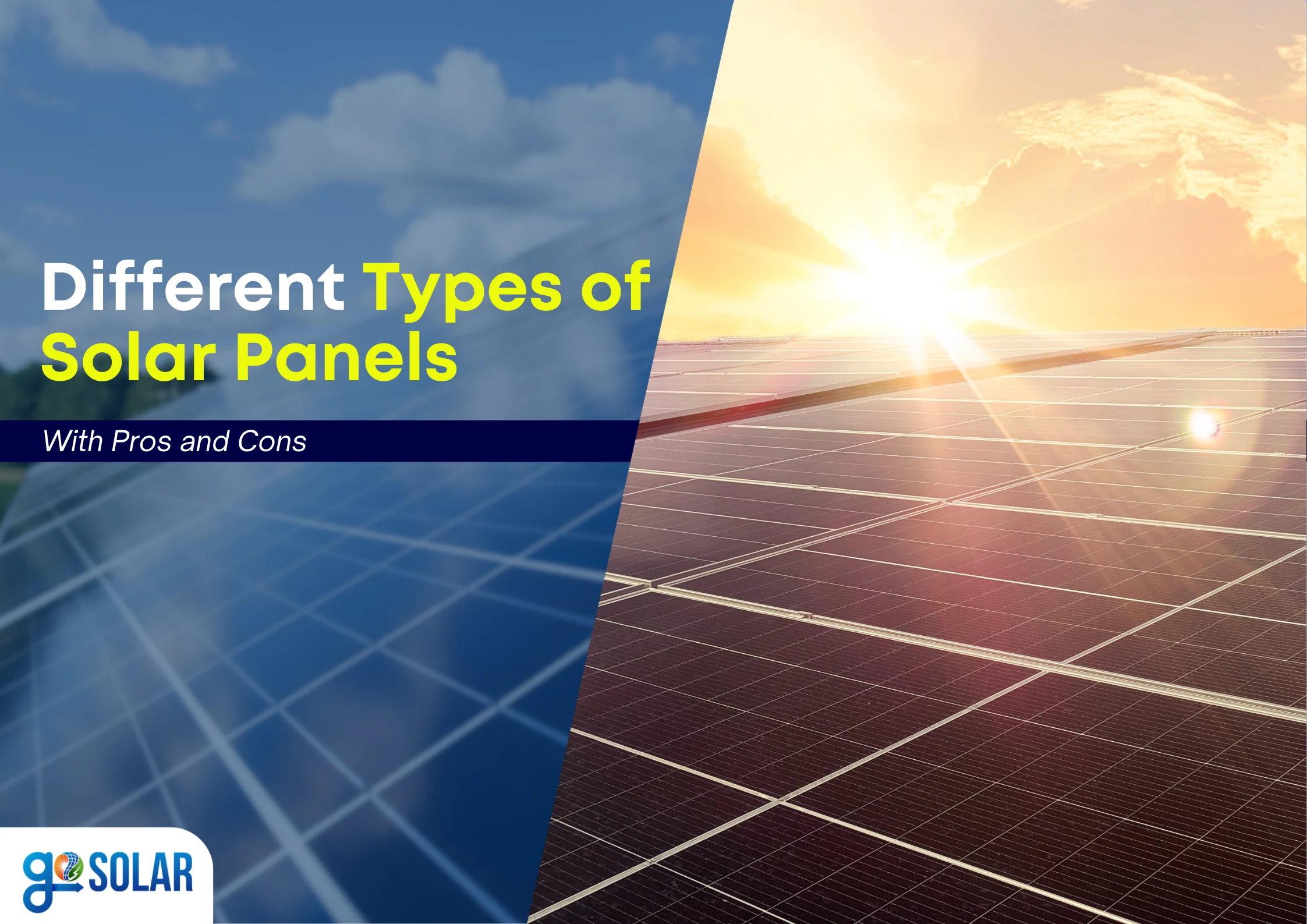
Solar energy is leading the global shift to clean energy. Installing solar panels is turning into one of the best energy choices available today, whether for residences, companies, or industries.
However, it’s important to understand the various kinds of solar panels on the market before making the change. Choosing the correct among different types of solar panels can have a significant impact on long-term savings, performance, and efficiency.
We’ll go over the various kinds of solar panels, their benefits and drawbacks, and how to choose the best one for your requirements in this guide.
What Are Solar Panels and Why Do They Matter?
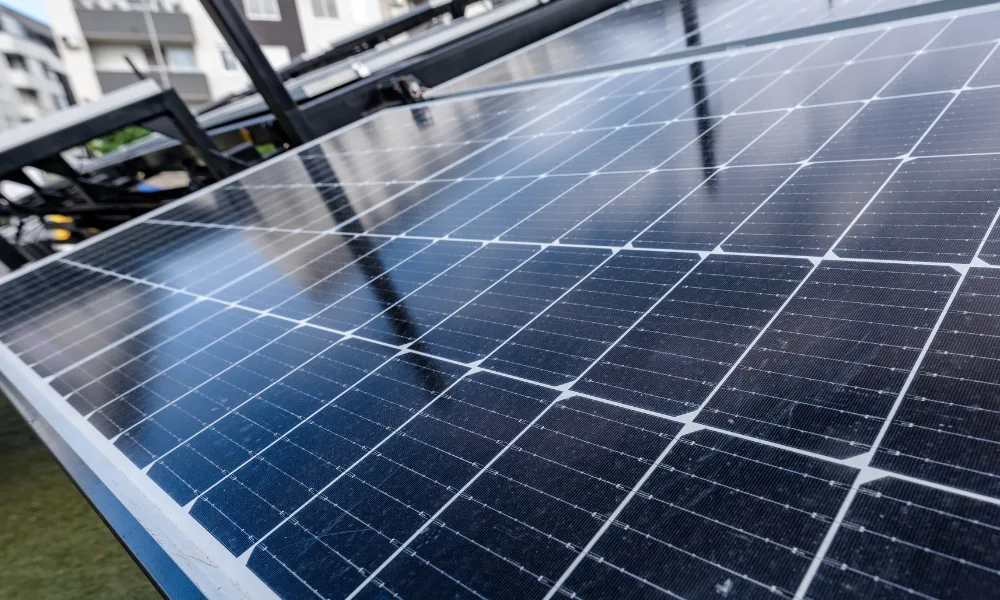
Photovoltaic (PV) cells in solar panels turn sunlight into electricity. They are good for the environment, can be used again and again, and are very important for reducing carbon footprints.
Solar energy is important because it is sustainable. It is free, abundant, and can power everything from small homes to huge factories. There are many different kinds of solar panels, and each one has its own pros and cons. Let’s look at them in more depth.
Main Types of Solar Panels:
1. Monocrystalline Solar Panels
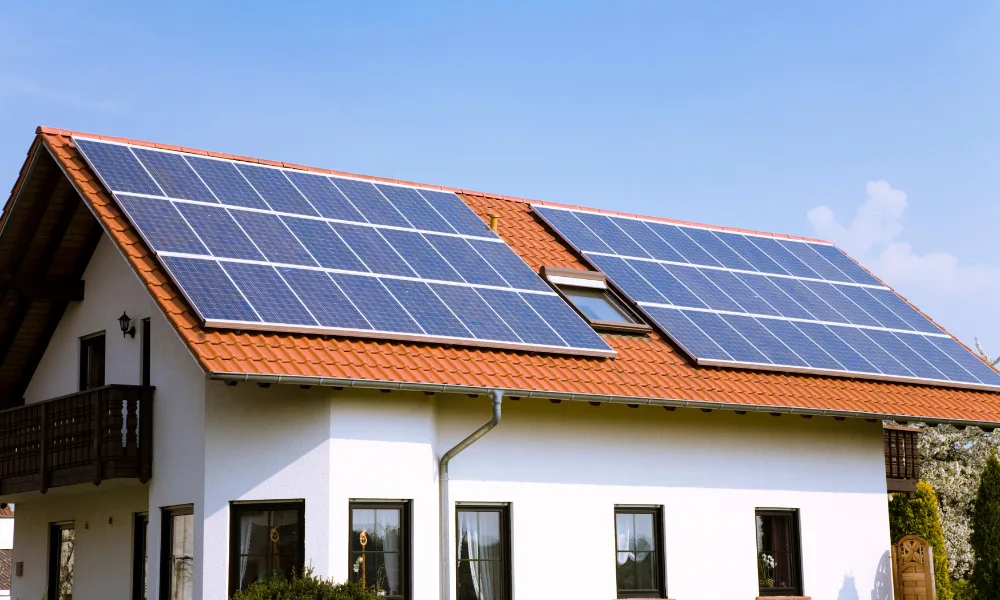
Monocrystalline panels are made from a single, pure crystal structure, giving them a sleek black appearance. They are among the most widely used solar panels today.
Pros:
- High efficiency (15–22%) compared to other panels.
- Long lifespan (25–30 years).
- Require less roof space, ideal for homes with limited space.
Cons:
- Expensive compared to other options.
- Performance can drop in very high temperatures.
Best for: Homeowners seeking high efficiency in a limited space.
2. Polycrystalline Solar Panels
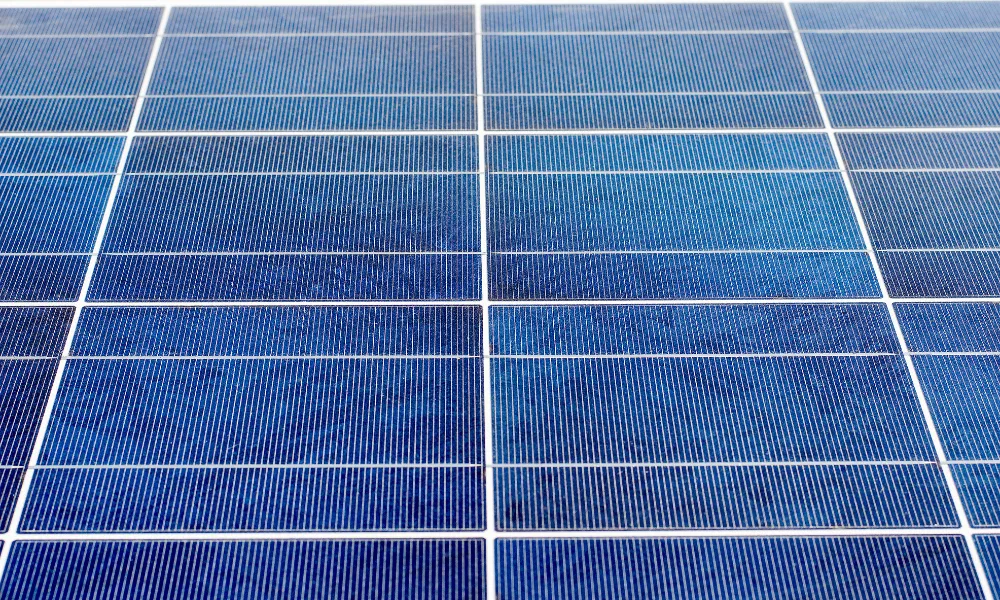
These panels are made from multiple fragments of silicon melted together, which gives them a bluish look.
Pros:
- More affordable than monocrystalline panels.
- Eco-friendlier manufacturing process.
- Good lifespan (20–25 years).
Cons:
- Lower efficiency (13–17%).
- Require more space to generate the same power output.
Best for: Budget-conscious homeowners and businesses.
3. Thin-Film Solar Panels
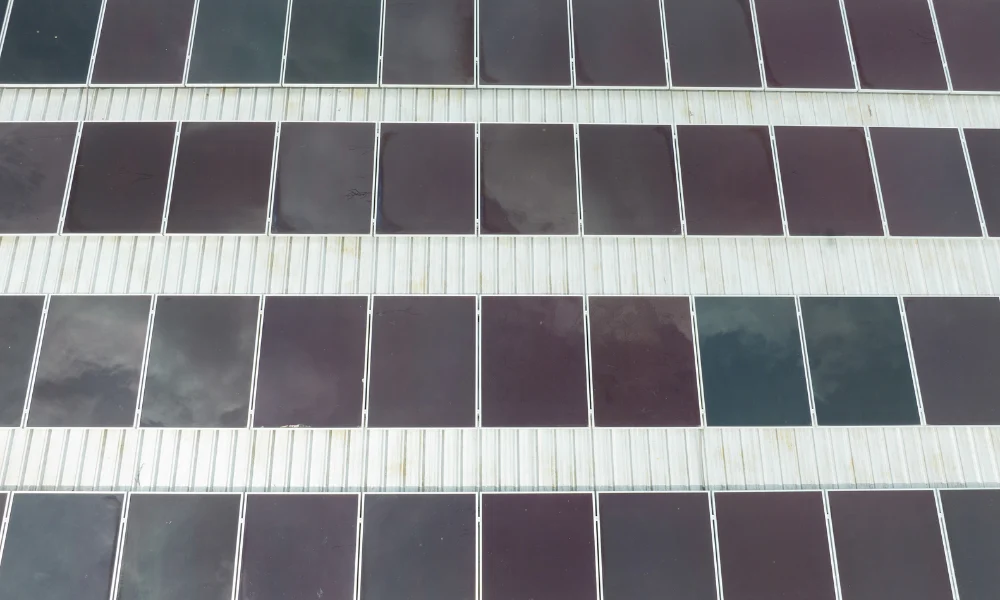
Thin-film panels are lightweight and flexible, made by layering photovoltaic materials like cadmium telluride or amorphous silicon.
Pros:
- Lightweight and portable.
- Easy installation on irregular surfaces.
- Perform well in low light conditions.
Cons:
- Shorter lifespan (10–15 years).
- Lower efficiency compared to crystalline panels.
Best for: Large commercial setups, portable solar uses, or projects needing flexibility.
4. Passivated Emitter Rear Cell (PERC) Panels
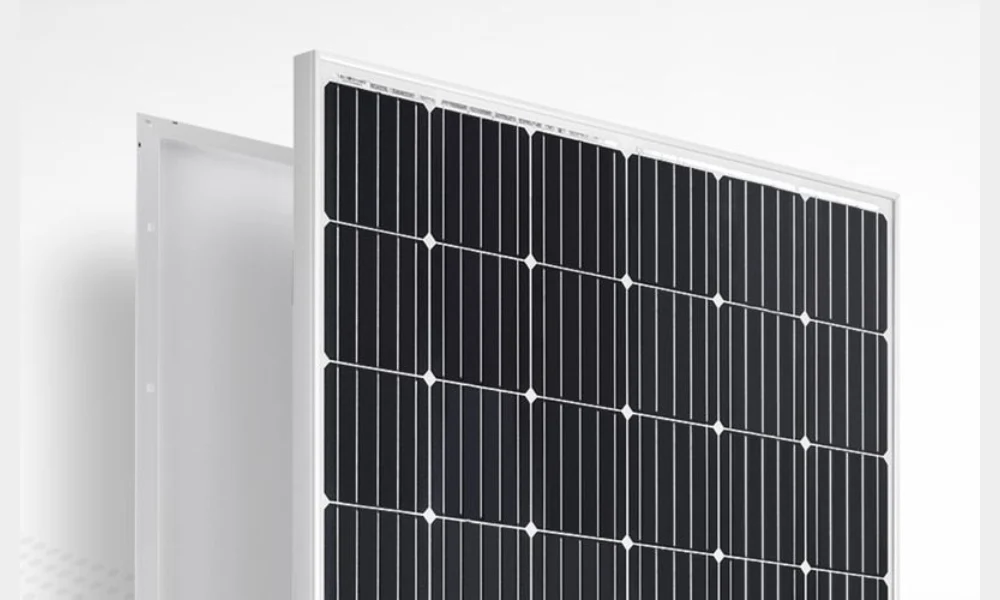
PERC panels are an advanced version of monocrystalline panels, with an extra layer that boosts efficiency.
Pros:
- Higher energy generation, especially in low-light areas.
- Space-efficient and compact.
- Longer lifespan (25+ years).
Cons:
- Slightly more expensive than standard mono panels.
Best for: Residential or commercial projects needing high performance.
5. Bifacial Solar Panels
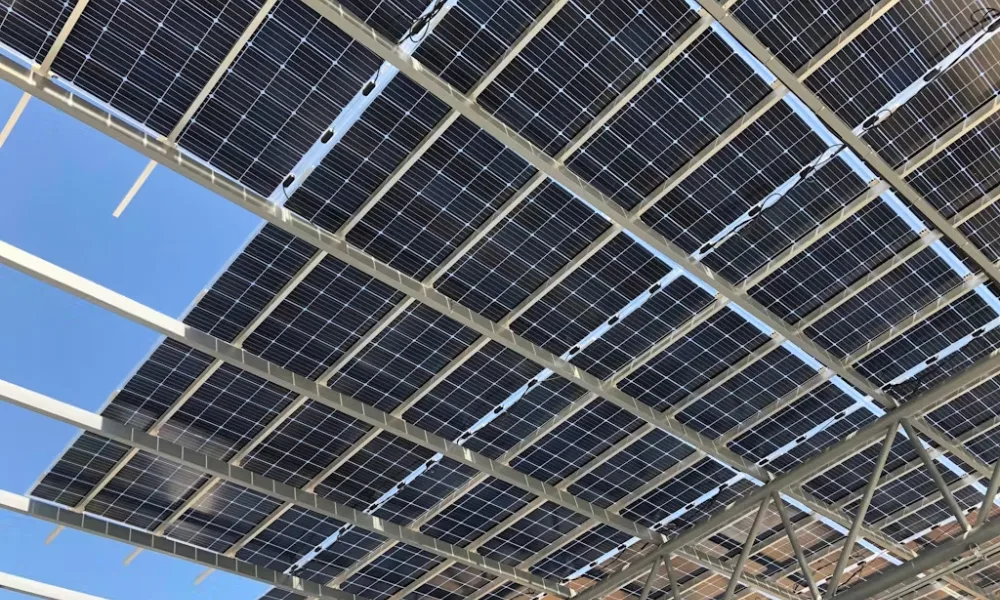
Bifacial panels can absorb sunlight from both sides, increasing energy production.
Pros:
- Generate up to 20% more energy.
- Highly durable with glass-on-glass designs.
- Work well in snowy or reflective environments.
Cons:
- High installation cost.
- Need specific mounting systems for maximum output.
Best for: Industrial and large-scale solar farms.
Comparing Types of Solar Panels
When comparing types of solar panels, three main factors matter:
Efficiency: Monocrystalline and PERC lead in this category.
Cost: Polycrystalline and thin-film are budget-friendly.
Space: Bifacial and monocrystalline are ideal for limited roof areas.
How to Choose the Right Solar Panel
When deciding between types of solar panels, consider the following:
- Location: Sunny areas benefit from mono or bifacial panels; cloudy or shaded areas may suit thin-film better.
- Budget: Polycrystalline panels are cost-effective.
- Energy Needs: Larger homes and industries may prefer bifacial or PERC panels.
- Space Availability: If roof space is limited, choose high-efficiency panels like monocrystalline.
On a final note
Switching to solar energy is a smart move, but choosing the right panel is equally important. From monocrystalline to bifacial panels, every type has unique strengths and trade-offs.
By understanding the types of solar panels, you can make an informed decision that suits your energy needs, budget, and space. Investing in solar today means securing a cleaner, greener, and more sustainable tomorrow.
Frequently Asked Questions (FAQs)
Ques 1. What are the main types of solar panels?
Ans. The main types of solar panels are monocrystalline, polycrystalline, thin-film, and PERC panels. Each differs in efficiency, cost, and design.
Ques 2. Which solar panel type lasts the longest?
Ans. Monocrystalline panels usually last the longest, often 25–30 years with high performance.
Ques 3. Do different solar panels need different maintenance?
Ans. Maintenance requirements are generally similar across types: regular cleaning and occasional inspections.
Ques 4. Can solar panels break easily?
Ans. Quality panels are built to withstand hail, wind, and rain. However, thin-film panels are slightly more prone to damage.
Ques 5. Do solar panel types impact recycling?
Ans. Yes, crystalline panels are easier to recycle than thin-film, which requires special handling due to materials used.