

When people hear about solar energy, the first image that comes to mind is typically panels on rooftops. But solar energy isn’t one-size-fits-all. In fact, there are different types of solar systems, including on-grid solar systems, off-grid solar systems, and hybrid solar systems.
Whether you live in a city apartment, a rural village, or run a factory, understanding the proper system type can help you save money, stay energy-independent, and contribute to a greener planet.
The types of Solar Systems are:
1. On-Grid Solar Systems

An on-grid solar system, which is also known as a grid-tied solar system. It is directly connected to the local electricity grid. This type of setup enables the use of solar energy to meet daily electricity needs while maintaining a connection to the traditional power supply.
When solar power generates more electricity than is needed, the surplus is fed back to the grid. In return, homeowners often get credits through a process called net metering.
- Pros: Lower installation cost, easy maintenance, and electricity bill savings.
- Cons: These systems shut down during power cuts since they rely on the grid.
On-grid solar systems are ideal for cities and towns with reliable grid connections.
2. Off-Grid Solar Systems:
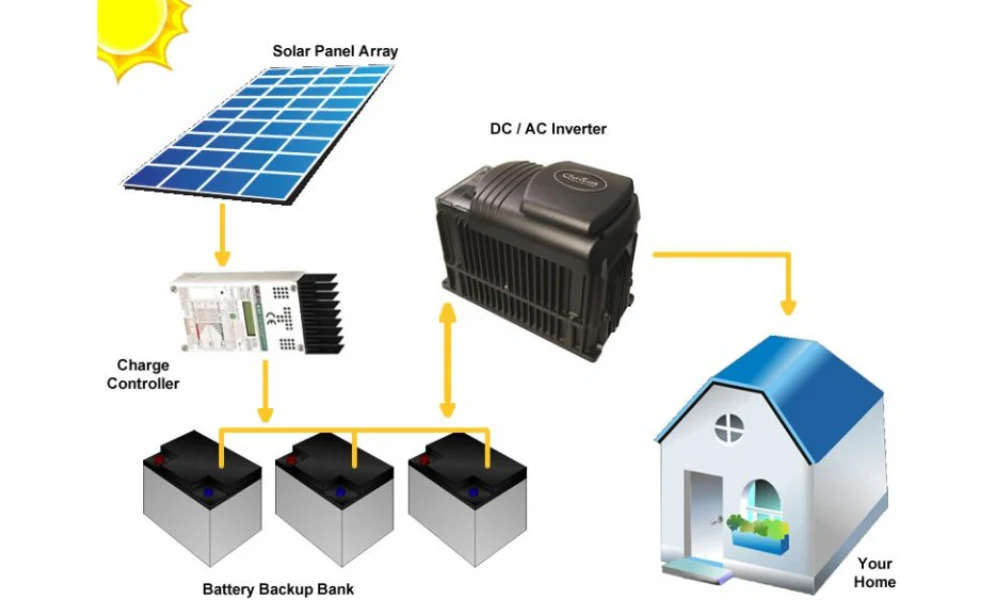
An off-grid solar system operates independently, not relying on the local grid. It utilizes batteries to store solar power for use at night or on cloudy days.
- Pros: Complete energy independence, perfect for remote areas.
- Cons: Higher costs due to batteries and regular maintenance needs.
This system is standard in villages, farms, or places where the electricity supply is unstable.
3. Hybrid Solar Systems:
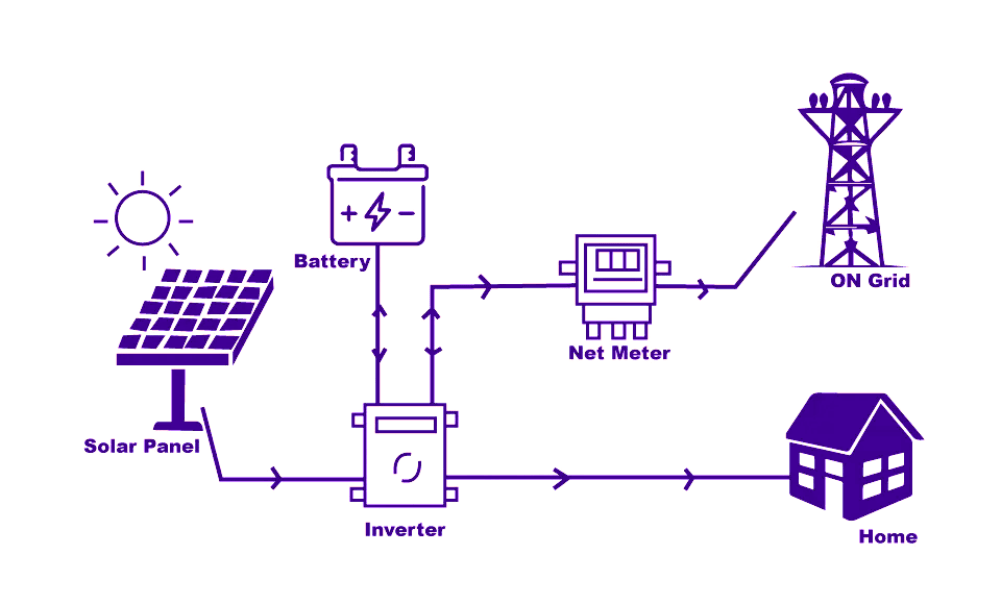
A hybrid solar system is a combination of both on-grid and off-grid setups. It connects to the grid but also includes battery storage. That means you can use solar energy when available, store the extra, and still rely on the grid when needed.
- Pros: Backup during power cuts, flexible, and highly efficient.
- Cons: More expensive than basic on-grid systems.
Hybrid systems are gaining popularity among households and businesses looking for reliability.
Other Types of Solar Systems:
Besides the three main types, there are other forms of solar setups worth knowing:
- Photovoltaic (PV) Systems
These are the most widely used systems, converting sunlight directly into electricity.
- Solar Thermal Systems
Instead of electricity, these systems use sunlight to generate heat. They are often used in industries or for large-scale power generation.
- Passive Solar Design
This is not a system, but an architectural approach where buildings are designed to naturally utilize sunlight for heating and cooling.
- Floating Solar Systems
An innovative setup where solar panels are installed on water bodies, such as lakes or reservoirs. They save land and work efficiently due to cooler temperatures.
How to Choose the Right Solar System?
Choosing between different types of solar systems depends on a few key factors:
- Location – Remote areas may benefit from off-grid solutions, while cities can opt for on-grid options.
- Budget – On-grid is the most affordable option, while hybrid and off-grid systems require a higher investment.
- Energy Needs – Homes may require simple setups, but industries often opt for hybrid or large-scale solar farms.
On Final Note:
Solar technology is no longer limited to rooftops. The various types of solar systems—on-grid, off-grid, hybrid, thermal, passive, and even floating offer people flexible options tailored to their specific needs.
Whether you want lower bills, energy security, or sustainability, there’s a system designed just for you. The key is to know your options, weigh the advantages, and make an informed choice.
Frequently Asked Questions (FAQs)
Ques 1. What are the main types of solar systems?
Ans. The main types of solar systems are on-grid, off-grid, and hybrid. Additionally, there are solar thermal systems, passive solar designs, and floating solar setups.
Ques 2. Can I run my entire house on solar energy?
Ans. Yes, with an off-grid or hybrid solar system, your house can run entirely on solar energy, provided you have enough panels and battery capacity.
Ques 3. What factors affect the choice of a solar system?
Ans. Your choice depends on location, energy needs, budget, and grid availability. Rural areas may need off-grid, while cities can use on-grid systems.
Ques 4. Are solar systems good for the environment?
Ans. Yes, all types of solar system reduce dependency on fossil fuels, lower carbon emissions, and promote sustainable living.
Ques 5. What is the lifespan of a solar system?
Ans. Most solar panels last 25–30 years, while inverters and batteries may need replacement sooner, depending on usage.


This is such an important reminder and one that I needed to hear today Thank you for always providing timely and relevant content
It’s clear that you are passionate about making a positive impact and your blog is a testament to that Thank you for all that you do