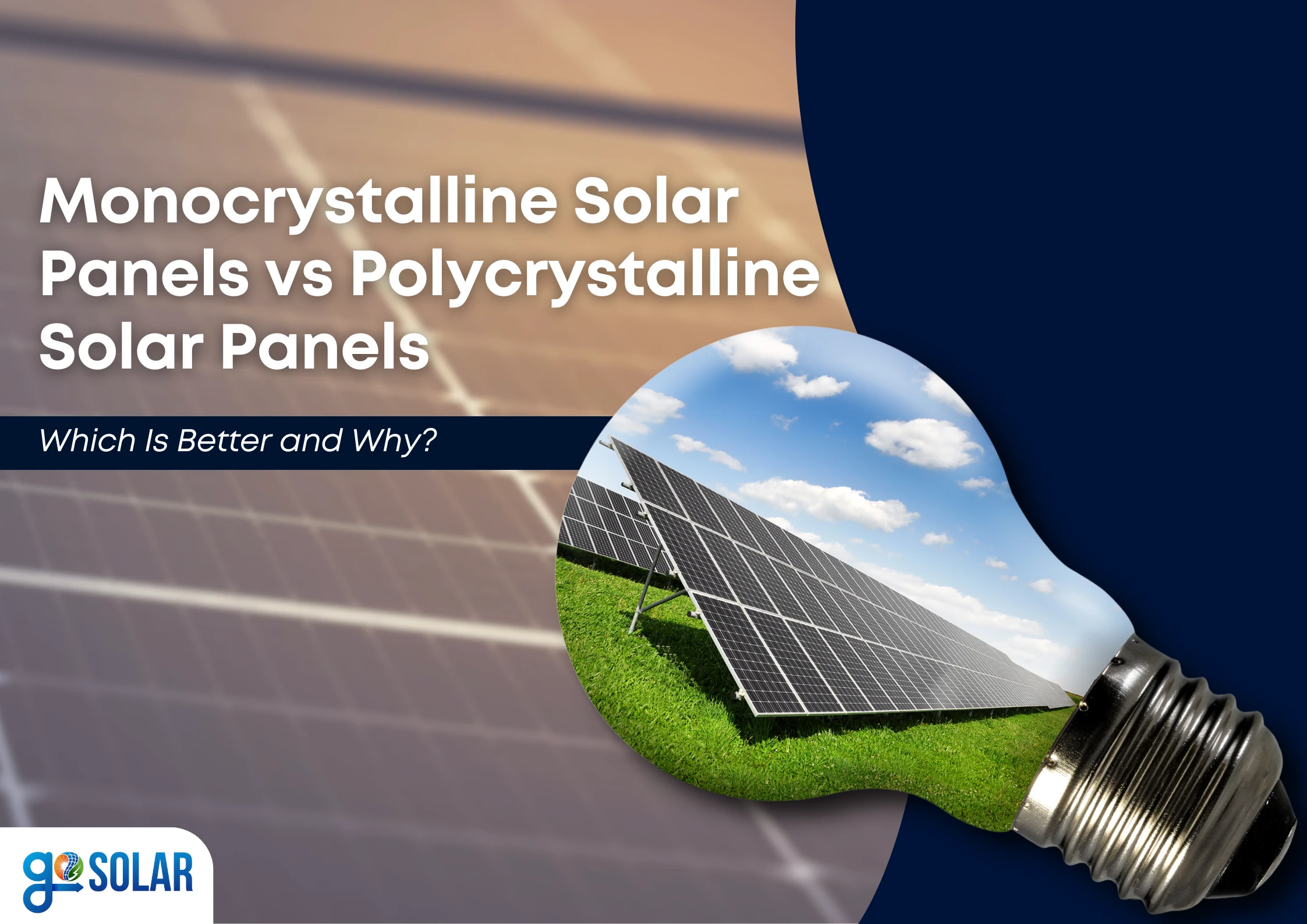
The shift toward solar energy is no longer a trend it’s a necessity. As more people adopt solar power for homes, offices, and industries, one question continues to surface: What’s the difference between monocrystalline solar panels vs polycrystalline solar panels?
Both types convert sunlight into electricity, but they differ in design, efficiency, and performance. While polycrystalline panels are more affordable, monocrystalline solar panels have proven to be more efficient and reliable in the long run.
Understanding the Basics of Solar Panels:
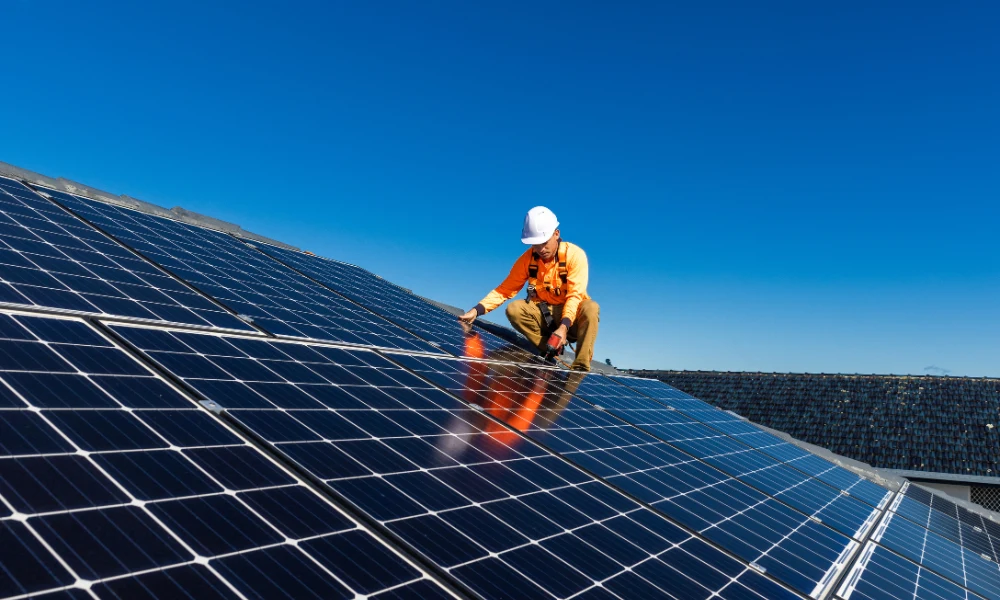
Before diving into the comparison, it’s essential to understand what makes a solar panel work. A solar panel is made up of multiple photovoltaic (PV) cells that absorb sunlight and convert it into electricity.
The main difference between monocrystalline and polycrystalline panels lies in how these silicon cells are made.
- Monocrystalline Panels: These are made from a single, pure silicon crystal, giving them a uniform, dark black appearance and higher efficiency.
- Polycrystalline Panels: These are made from multiple silicon fragments melted together, giving them a bluish tone and a less uniform look.
Think of it this way like monocrystalline panels are like a single diamond, pure and strong, while polycrystalline panels are like crushed crystals fused together — effective, but slightly less refined.
Key Differences Between Monocrystalline and Polycrystalline Panels:
1. Efficiency
Efficiency is where the difference truly stands out. Monocrystalline solar panels typically have an efficiency of 18–22%, while polycrystalline panels range between 15–17%.
This means monocrystalline panels can generate more power in less space, making them ideal for rooftops or areas with limited installation space.
2. Temperature Tolerance
Hot climates often affect solar performance. Monocrystalline panels handle higher temperatures better due to their uniform crystal structure, maintaining output even during intense sunlight. Polycrystalline panels, however, lose efficiency faster as temperatures rise.
3. Space Requirement
If you have limited roof space, monocrystalline panels are a better choice. Their higher efficiency ensures more power output per square meter compared to polycrystalline panels.
4. Durability and Lifespan
Both types are durable, but monocrystalline panels tend to last longer often up to 25 years or more. They degrade slower and maintain efficiency better over time.
5. Cost
Polycrystalline panels are generally cheaper to produce and install, making them budget-friendly. However, the long-term ROI (Return on Investment) favors monocrystalline panels since they generate more electricity and require less space.
How Monocrystalline Panels Perform Better in Real Conditions?
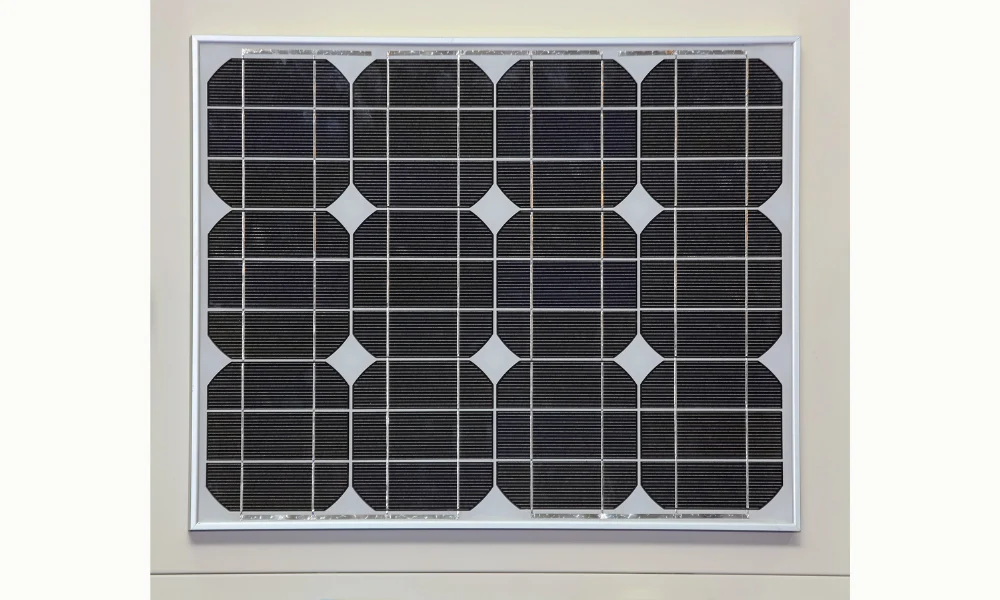
When it comes to real-world performance, monocrystalline solar panels consistently outperform their polycrystalline counterparts. Their single-crystal structure allows better electron movement, which translates into higher power generation even on cloudy days or during low sunlight conditions.
In India, where temperatures can soar, monocrystalline panels prove more stable and efficient, maintaining energy production throughout the day. Their compact design also makes them ideal for residential rooftops, schools, and commercial spaces where maximizing energy in limited space is key.
In contrast, polycrystalline panels work best in cooler regions or where land is not a limitation such as large solar farms.
Advantages and Limitations of Both Types:
Let’s simplify what each type offers:
Monocrystalline Solar Panels –
Advantages
- Higher efficiency and performance in all weather conditions
- Sleek, aesthetic appearance with black uniform panels
- Longer lifespan (up to 25 years or more)
- Require less installation space
- Better temperature tolerance
Limitations
- Higher initial cost compared to polycrystalline panels
Polycrystalline Solar Panels –
Advantages
- Lower initial investment
- More eco-friendly production process
- Suitable for large land-based solar setups
Limitations
- Lower efficiency, especially in high temperatures
- Require more space for the same energy output
- Slightly shorter lifespan
Choosing the Right Type of Solar Panel for Your Needs:
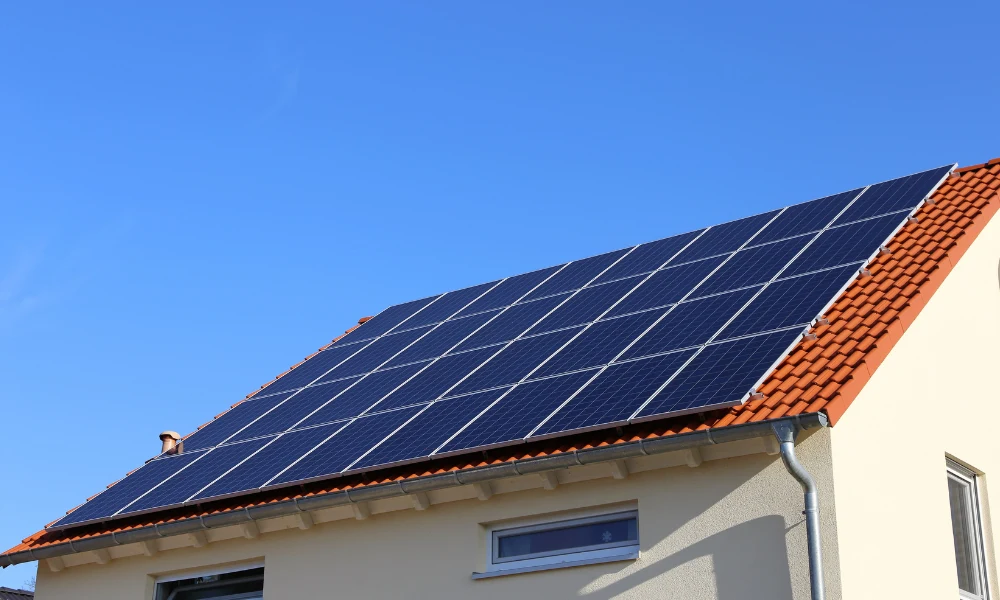
The choice between monocrystalline solar panels vs polycrystalline solar panels depends on your specific needs, budget, and location.
- If you live in hot or space-limited areas (like cities), monocrystalline panels are ideal for long-term performance and reliability.
- If you have ample land and want to start with a lower investment, polycrystalline panels can be a practical choice.
However, for most modern homes and businesses focused on efficiency and sustainability, monocrystalline panels deliver better value especially with today’s government subsidies and declining solar costs.
The Future of Solar Panels | Innovations to Watch
The solar industry continues to evolve with advanced technologies improving both efficiency and affordability. Newer models like Monocrystalline PERC (Passivated Emitter Rear Cell) and bifacial panels offer even greater output by capturing sunlight from both sides.
These innovations make monocrystalline technology the foundation for the next generation of solar panels, combining high performance with long-term sustainability.
Why Monocrystalline Panels Are a Smarter Investment?
When considering cost, performance, and longevity together, monocrystalline panels clearly outshine polycrystalline ones.
Although the upfront cost may be higher, the efficiency gain and long-term durability make them the smarter financial and environmental choice.
Here’s why they’re better:
- Produce more power in less space
- Handle heat and low-light better
- Last longer and degrade slower
- Provide higher ROI over time
For homeowners and businesses aiming for maximum energy independence, monocrystalline solar panels are the technology of the future.
Powering a Brighter, Cleaner Tomorrow:
Choosing the right solar panel can define your energy journey for decades. Between monocrystalline solar panels vs polycrystalline solar panels, the former emerges as the clear winner for performance, longevity, and aesthetics.
Whether you’re powering your home, office, or industry, going solar with high-efficiency monocrystalline panels ensures you save money, reduce carbon footprint, and contribute to a greener future.
Frequently Asked Questions (FAQs)
Ques 1. What’s the basic difference between monocrystalline and polycrystalline panels?
Ans. Monocrystalline panels are made from a single silicon crystal (uniform black look) and are more efficient; polycrystalline use multiple crystals (bluish speckled look) and are generally cheaper.
Ques 2. Which is more efficient: mono or poly?
Ans. Monocrystalline panels typically deliver higher efficiency (about 18–22%) than polycrystalline (about 15–17%).
Ques 3. Do monocrystalline panels work better in heat?
Ans. Yes. Mono cells usually have better temperature coefficients, so they lose less output as panel temperature rises.
Ques 4. Which type is best for small rooftops?
Ans. Monocrystalline, because higher efficiency means more power from less area.
Ques 5. Which offers better ROI over time?
Ans. Monocrystalline generally, thanks to higher output, slower degradation, and better performance in varied light.
Ques 6. How long do these panels last?
Ans. Both commonly carry 25-year performance warranties; mono panels tend to retain output slightly better.